
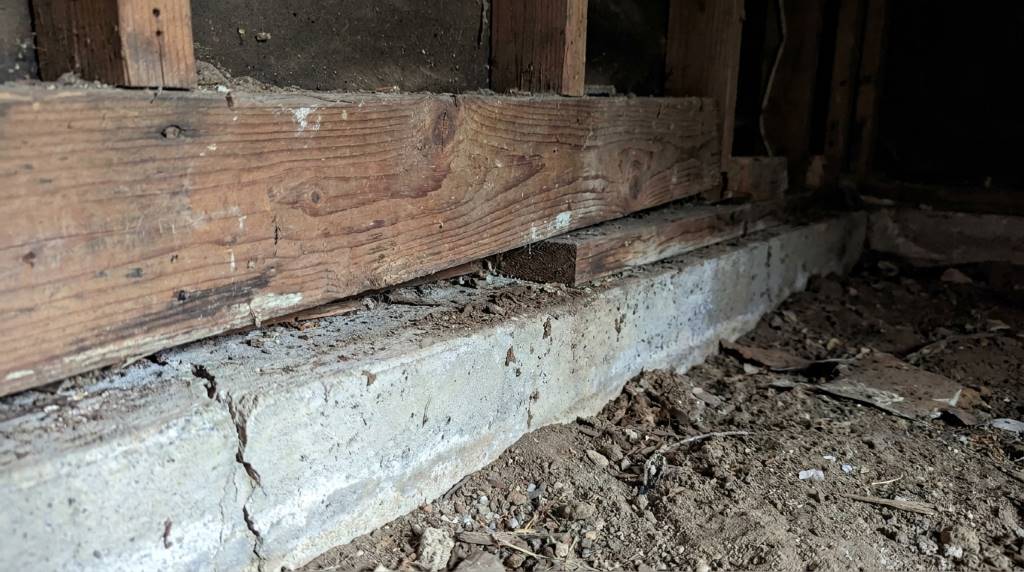
Fix shifting mud sills by identifying movement, correcting the foundation cause, and securely anchoring the sill plate. In San Jose, seismic activity and variable soils can worsen foundation movement over time. Proper repairs often combine structural assessment, leveling, sill replacement, and concrete anchor bolt installation. Even a small sill movement can affect walls, floors, doors, and structural connections.
Key Takeaways
- Find the cause first: Inspect soil movement, drainage, foundation cracks, moisture, and deteriorated wood before repairing the sill.
- Do not force the sill level: Excessive jacking can damage framing, finishes, windows, and plumbing connections.
- Replace damaged wood: Rotten, crushed, split, or severely distorted sill plates usually need structural replacement.
- Restore anchorage: Install appropriate anchors and connectors according to the approved structural repair design.
- Control water: Improve drainage and moisture protection to prevent recurring foundation movement and wood deterioration.
- Use qualified professionals: Structural movement often requires evaluation from a licensed engineer or experienced foundation contractor.
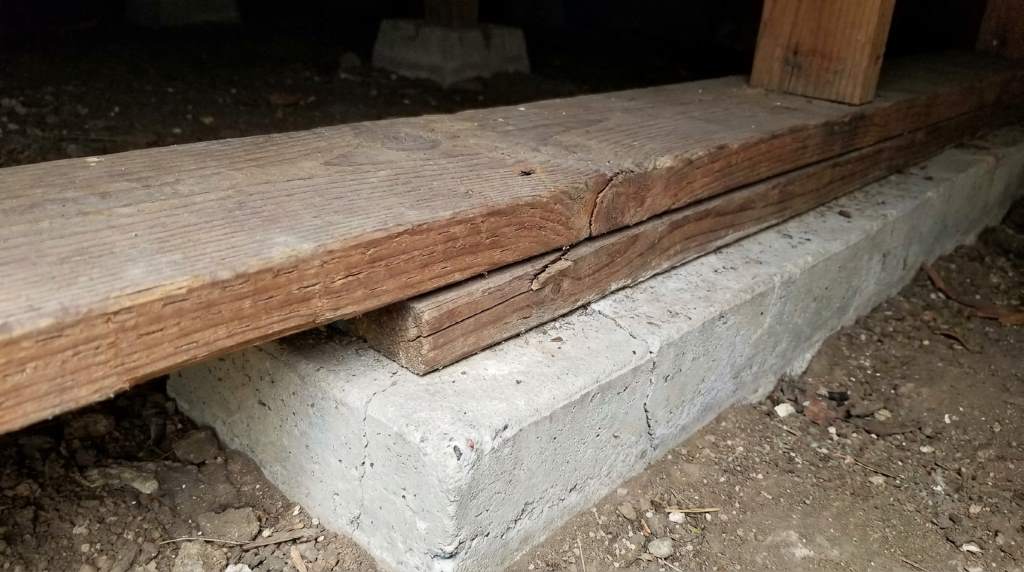
What Causes Mud Sills to Shift in San Jose?
Several conditions can move a mud sill away from its original position. San Jose properties can experience soil changes, seismic movement, drainage problems, and foundation deterioration. Therefore, successful repairs begin with finding the movement’s actual source.
Expansive soil can swell after absorbing water and contract during prolonged dry conditions. That repeated volume change can place uneven pressure beneath portions of a foundation. Likewise, poorly compacted fill can settle and create localized foundation movement.
Earthquakes can also affect sill plates and their connections to concrete foundations. Older homes may lack the anchorage and reinforcement found in newer construction. Consequently, movement can become more noticeable after seismic activity.
Water creates another common problem around foundation systems. Broken gutters, poor grading, leaking irrigation, and plumbing failures can saturate soil near one foundation section. Over time, that moisture can contribute to settlement, wood decay, and uneven support.
San Jose homeowners should also consider the property’s construction age and previous modifications. Remodeling work may have altered load paths, drainage patterns, or structural connections. A repair should account for those changes rather than treating the sill as an isolated component.
Roof loads can also influence how framing transfers weight toward the foundation. Understanding why roof pitch matters can help when evaluating unusual wall or framing movement. However, roof geometry rarely represents the sole cause of a shifting mud sill.
How to Identify a Shifting Mud Sill
Start by examining the foundation, sill plate, nearby framing, and interior finishes. Look for horizontal gaps, uneven floors, cracked drywall, sticking doors, and displaced trim. These signs can reveal movement even when the sill remains partially hidden.
Outside the structure, inspect the foundation for stepped cracks, horizontal cracks, separations, and visible displacement. Measure suspicious cracks and record their locations before beginning repairs. Rechecking those measurements can help determine whether movement continues.
Inside crawl spaces, inspect the sill plate along its entire accessible length. Look for crushed wood fibers, fungal decay, insect damage, loose anchors, missing washers, and oversized bolt holes. Also check whether the sill remains firmly seated against the concrete foundation.
Use a laser level to compare elevations at several foundation points. A long straightedge can also reveal uneven floor framing above the foundation. However, basic measurements cannot replace structural engineering analysis when significant movement exists.
Pay special attention to changes around openings and concentrated loads. Door and window corners can expose differential movement between adjacent wall sections. Similarly, posts and beams can transfer concentrated loads into already compromised areas.
Moisture inspection deserves equal attention during this process. Persistent dampness can weaken wood even when the foundation itself looks stable. Homeowners should investigate plumbing leaks, exterior drainage, irrigation overspray, and standing water before replacing damaged wood.
How to Repair a Shifting Mud Sill Safely
The correct repair depends on the amount of movement and the condition of surrounding materials. Minor displacement may require controlled leveling and improved anchorage. Severe movement can require temporary support, sill replacement, foundation correction, and structural reinforcement.
1. Correct the Underlying Foundation Problem
Never treat the sill as the only problem when the supporting foundation continues moving. First, address settlement, expansive soil movement, drainage failures, or other identified causes. Otherwise, a newly repaired sill can shift again.
Drainage improvements often provide an important first step around affected areas. Extend downspouts away from the foundation and correct grading that directs water toward the house. Also repair leaking irrigation lines and plumbing problems before structural work begins.
When soil movement causes significant differential settlement, engineers may recommend foundation stabilization. Depending on site conditions, solutions can include underpinning, piers, localized footing repairs, or other engineered systems. The selected method should match the soil conditions and structural loads.
2. Provide Temporary Structural Support
Significantly displaced sills may require temporary support before workers loosen structural connections. Contractors can use properly rated jacks, posts, beams, or shoring systems. These supports must transfer loads safely without damaging the existing framing.
Never raise a sagging structure rapidly or attempt large corrections with ordinary automotive equipment. Controlled movement reduces the risk of cracking finishes or shifting connected utilities. A structural professional should determine the appropriate lifting sequence for serious movement.
3. Remove and Replace Damaged Sill Sections
Sound wood can sometimes remain when damage stays localized and the structural design permits it. Severely rotten, crushed, split, or distorted sill sections usually require replacement. Workers should remove compromised material until they reach structurally reliable wood.
Replacement lumber should match the structural requirements specified for the repair. Pressure-treated or otherwise appropriately protected materials may suit locations exposed to moisture. However, material selection should follow the engineer’s specifications and applicable building requirements.
Workers should create clean bearing surfaces before installing replacement sections. The new sill must sit securely and continuously on the supporting foundation. Gaps, rocking points, and uneven bearing can undermine an otherwise attractive repair.
4. Restore Proper Foundation Anchoring
Anchoring connects the sill plate to the concrete foundation and helps resist lateral movement. Existing anchors may require replacement when corrosion, damage, spacing, or installation problems compromise their performance. New anchors should follow the approved structural design.
Installations may involve mechanical anchors, adhesive anchors, anchor bolts, or specialized connectors. The correct choice depends on concrete condition, edge distances, loads, and applicable requirements. Drilling randomly into old concrete can create additional structural problems.
Workers should inspect the concrete before drilling new anchor holes. Cracked or deteriorated concrete may require a different repair strategy. Proper hole diameter, embedment, cleaning, installation torque, and curing procedures also matter.
5. Reconnect the Framing
Once the sill sits correctly, workers must restore its connection with the wall framing. Toenails, framing anchors, straps, hold-downs, and other connectors may form part of the repair. The final connection should restore the intended structural load path.
Do not assume that adding more fasteners automatically strengthens the assembly. Fastener placement must account for wood condition, member dimensions, concrete proximity, and connector capacity. An engineered repair provides much stronger guidance than guesswork.
When Should You Hire a Structural Engineer?
Hire a structural engineer when you see substantial settlement, widespread cracking, significant sill displacement, or repeated movement. Professional evaluation becomes especially important when several symptoms appear together. Engineers can distinguish cosmetic damage from structural instability.
A professional assessment should examine the foundation, framing, soil conditions, drainage, and load paths. The engineer may also document elevations and movement patterns across the structure. That information helps establish an appropriate repair scope.
Foundation work can also involve permits depending on the project and local requirements. San Jose property owners should confirm current permitting requirements before beginning structural alterations. Licensed professionals can help identify which approvals and inspections apply.
Older properties deserve additional caution because construction methods vary considerably by era. Some homes contain outdated connections, deteriorated materials, or previous repairs that hide original conditions. A modern repair should address the entire structural system rather than simply covering visible defects.
Drainage investigations can reveal problems that remain invisible from inside the house. For example, a CCTV drain survey can identify damaged underground pipes that saturate foundation soil. Finding those leaks early can prevent repeated settlement after structural repairs.
How Much Does Mud Sill Repair Cost?
Mud sill repair costs vary widely because each foundation presents different structural and access conditions. A small localized repair costs far less than extensive foundation stabilization. Labor, materials, engineering, excavation, permits, and temporary shoring can all affect the final price.
Simple repairs may involve replacing a limited sill section and improving its anchorage. More complicated projects can require lifting portions of the house or stabilizing the underlying foundation. Therefore, contractors should provide itemized scopes rather than vague repair estimates.
Ask each contractor to separate structural repairs from optional improvements. Request details about temporary support, sill replacement, anchors, drainage corrections, engineering, permits, and inspections. This approach makes competing estimates much easier to compare.
Do not automatically choose the lowest bid when structural movement affects the building envelope. A cheap repair can become expensive if it ignores the underlying cause. Instead, compare the proposed repair method, structural justification, warranty, and contractor experience.
How to Prevent Mud Sill Movement From Returning
Prevention starts with keeping foundation soil moisture as consistent as possible. Maintain functional gutters, extend downspouts away from the foundation, and correct obvious drainage problems. Avoid directing concentrated irrigation water toward foundation walls.
Inspect crawl spaces periodically for moisture, wood deterioration, and new movement. Check visible anchors for corrosion or obvious damage when access permits. Early detection gives homeowners more repair options and can limit structural costs.
Monitor existing cracks and elevation changes after completing repairs. Mark crack locations and record measurements at consistent intervals. If movement continues, contact the engineer or contractor who designed the repair.
Keep landscaping from hiding foundation drainage problems or trapping moisture against exterior walls. Trees and large vegetation can also influence soil moisture through root activity. Discuss major landscape changes with a qualified professional when foundation movement already exists.
Homeowners should also investigate unusual interior symptoms instead of masking them with cosmetic repairs. A fresh drywall patch cannot correct structural movement behind the wall. Likewise, replacing a sticking door may only hide an ongoing framing problem.
Common Mud Sill Repair Mistakes to Avoid
One common mistake involves replacing the sill without correcting the soil or water problem. That approach can leave the structure vulnerable to renewed movement. Always identify the mechanism before selecting the repair.
Another mistake involves lifting the structure too quickly. Rapid jacking can transfer loads unexpectedly through walls, floors, roofs, and utility connections. Controlled adjustments protect both the building and the workers performing the repair.
Some homeowners also install anchors without checking the concrete’s condition. Weak concrete cannot provide reliable support simply because a stronger bolt enters it. Anchor design must consider the existing foundation and expected structural forces.
Ignoring permits and professional documentation can create complications during future property transactions. Structural work may also affect insurance, inspections, and disclosure obligations. Confirm applicable local requirements before starting significant foundation modifications.
Finally, avoid relying solely on online repair diagrams for complex structural movement. Every foundation has different soil, loading, access, and construction conditions. Use general guidance for understanding the problem, then obtain site-specific professional advice.
A Practical Repair Checklist for San Jose Homeowners
Before approving structural work, organize your observations and obtain a clear repair scope. This preparation helps contractors and engineers understand the problem faster. It also reduces confusion when comparing different repair proposals.
- Document symptoms: Photograph cracks, gaps, uneven floors, displaced framing, and damaged sill sections.
- Check drainage: Inspect gutters, downspouts, irrigation, grading, and visible plumbing leaks around affected areas.
- Measure movement: Record foundation elevations and crack dimensions when safe and practical.
- Inspect the sill: Look for rot, crushing, splitting, insect damage, corrosion, and loose anchorage.
- Request engineering: Obtain professional evaluation when movement appears substantial or continues over time.
- Compare proposals: Review repair methods, materials, anchoring, drainage work, permits, and warranties.
- Verify completion: Confirm that structural connections and drainage corrections match the approved repair scope.
Conclusion
Fixing a shifting mud sill requires more than leveling a crooked board or adding a few bolts. The durable solution identifies the movement source, stabilizes the structure, repairs damaged materials, and restores proper anchorage. San Jose homeowners should prioritize engineered repairs when foundation movement appears significant.
Start by documenting the symptoms and checking drainage around the affected foundation. Then consult a qualified structural engineer or experienced foundation contractor for a site-specific repair plan. Taking action early can reduce damage, improve structural stability, and prevent recurring movement.
Frequently Asked Questions
Can a shifting mud sill be repaired without replacing it?
Yes, minor movement may allow stabilization without replacement when the existing sill remains structurally sound.
What causes mud sills to shift?
Common causes include soil movement, foundation settlement, seismic forces, moisture problems, deterioration, and inadequate anchorage.
Are shifting mud sills dangerous?
They can become serious when movement affects load paths, foundation connections, walls, floors, or other structural components.
Should I repair the sill or foundation first?
Address the underlying foundation cause first or simultaneously so the repaired sill does not shift again.
Do mud sill repairs require permits in San Jose?
Structural repairs may require permits, so homeowners should confirm current San Jose requirements before beginning work.
About Author
