
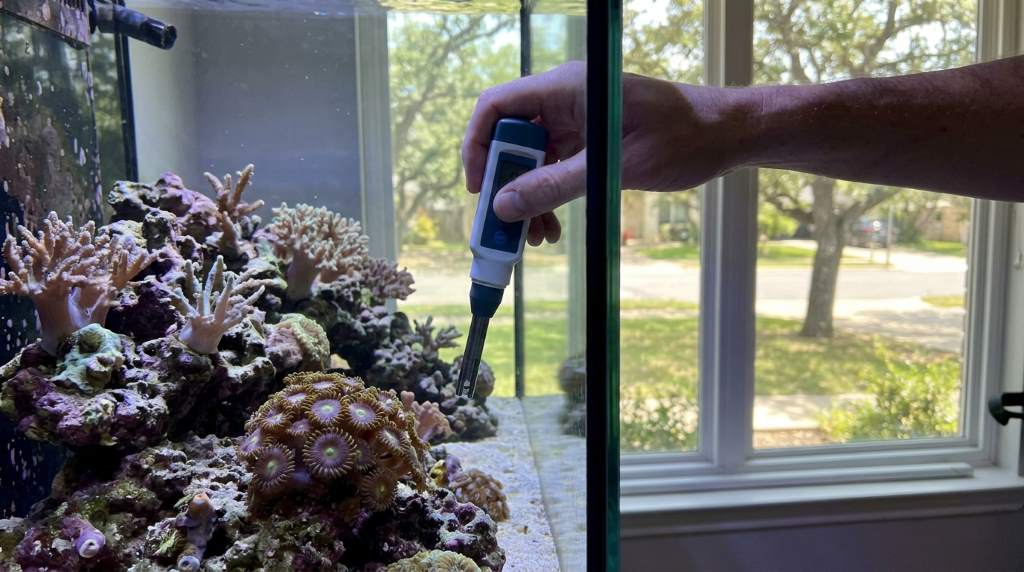
The fastest way to stop polyp melting in Austin is maintaining stable water temperature, balanced chemistry, and consistent aquarium maintenance. Most cases improve when stressed corals avoid sudden environmental changes and receive proper water flow.
Coral reef aquariums remain popular because millions of households keep ornamental fish and coral worldwide. Additionally, stable reef systems often achieve stronger coral survival through proper mixed reef coral placement before adding sensitive species. Austin’s intense summer heat creates extra challenges, so understanding prevention matters more than reacting after damage appears.
Why Polyp Melting Happens in Austin
Polyp melting describes rapid tissue deterioration that causes coral polyps to shrink, dissolve, or disappear. Instead of growing normally, affected colonies lose color and structure quickly.
Austin’s climate creates unusual indoor aquarium conditions because homes experience extended periods of high temperatures. Consequently, cooling systems work harder while room temperatures fluctuate throughout each day.
Stable aquarium conditions matter because corals respond poorly to environmental swings that seem minor to people. Likewise, household changes often affect reef tanks similarly to use freestanding kitchen furniture decisions that improve indoor organization through thoughtful placement.
Most melting cases involve several stress factors instead of one obvious cause. Therefore, finding every contributing issue produces better long term results than fixing only temperature.
Recognize Early Warning Signs
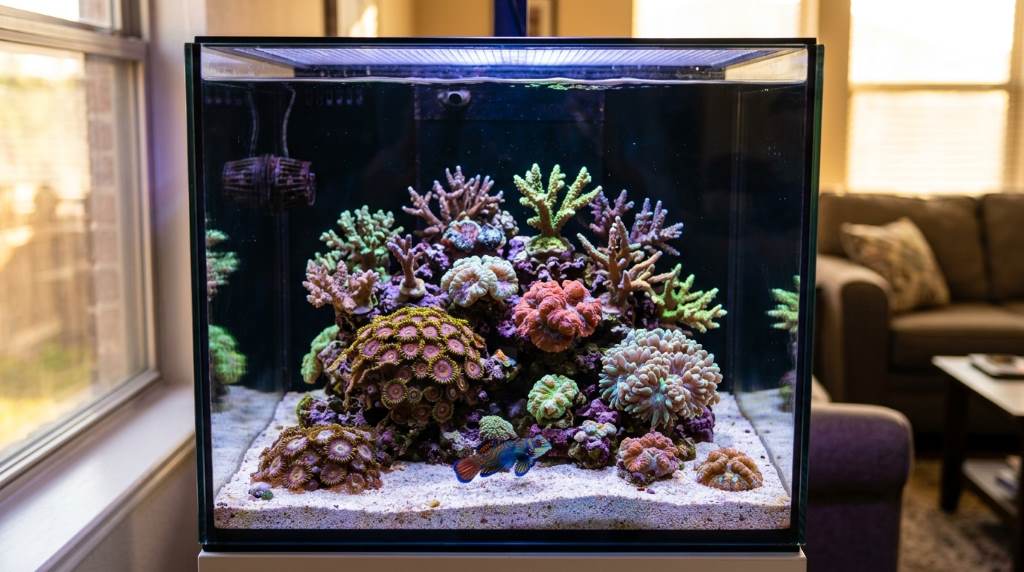
Early detection improves recovery because healthy tissue often survives before widespread damage appears. Watch your tank daily instead of waiting for dramatic changes.
Common warning signs include dull coloration, reduced extension, and excessive slime production. Furthermore, tissue may separate from the skeleton before complete melting begins.
Sudden behavior changes usually reveal problems before water tests show obvious differences. Similarly, paying attention resembles understanding roof pitch matters more because hidden factors often influence bigger outcomes.
Take photographs every few days because visual comparisons reveal gradual decline more accurately. This simple habit helps identify problems before they become severe.
High Risk Symptoms
- Rapid tissue recession
- Closed polyps for several days
- Strong unpleasant odor
- Brown jelly covering tissue
- Loose tissue floating inside the tank
Control Water Temperature First
Temperature remains the biggest Austin challenge because summer conditions easily warm indoor aquariums beyond comfortable coral limits. Even small daily swings create unnecessary stress.
Most reef corals perform best between 76 and 79 degrees Fahrenheit with minimal daily fluctuation. Therefore, maintaining consistency usually matters more than chasing exact numbers.
Careful monitoring prevents hidden problems, much like understanding cctv drain survey reveals hidden pipe conditions before expensive repairs become necessary.
Keep Temperature Stable
- Use a reliable digital thermometer.
- Install an aquarium fan during hot weather.
- Consider a chiller for larger reef systems.
- Keep tanks away from direct sunlight.
- Maintain good room ventilation.
Avoid adding frozen water bottles directly because sudden cooling shocks coral tissue unexpectedly. Instead, use equipment designed for gradual temperature management.
Fix Water Chemistry Before Corals Decline
Water chemistry problems often develop slowly while corals show stress much later. Testing regularly prevents dangerous conditions from becoming permanent.
Stable chemistry matters because coral tissue depends on predictable mineral availability every single day. Frequent swings create stress even when average values seem acceptable.
Important Water Parameters
| Parameter | Recommended Range |
|---|---|
| Temperature | 76 to 79°F |
| Salinity | 1.025 to 1.026 |
| pH | 8.1 to 8.4 |
| Alkalinity | 8 to 10 dKH |
| Calcium | 400 to 450 ppm |
| Magnesium | 1250 to 1350 ppm |
| Nitrate | 2 to 10 ppm |
| Phosphate | 0.03 to 0.10 ppm |
Use quality test kits because inaccurate readings create unnecessary adjustments that worsen existing stress. Consistent testing schedules produce more dependable trends than occasional testing.
Improve Water Flow Without Overpowering Corals
Good water movement removes waste while delivering oxygen and nutrients across coral surfaces continuously. However, excessive flow tears weakened tissue instead of helping recovery.
Position powerheads carefully because indirect turbulent flow benefits many soft corals and LPS species. Observe coral movement instead of relying only on equipment settings.
Signs of Poor Water Flow
- Waste collecting around coral bases
- Slime remaining on tissue
- Uneven polyp extension
- Dead spots inside rockwork
Adjust pumps gradually because corals need time before responding comfortably to new flow patterns. Small improvements often outperform dramatic equipment changes.
Manage Lighting During Recovery
Light provides energy, although stressed corals often become more sensitive than healthy colonies. Reducing intensity temporarily protects recovering tissue from additional pressure.
Instead of making dramatic changes, lower intensity gradually over several days before increasing it again. Controlled adjustments encourage recovery without creating another environmental shock.
Lighting Recovery Tips
- Reduce intensity by about 15 percent initially.
- Keep a consistent daily schedule.
- Avoid moving corals repeatedly.
- Increase brightness slowly after visible improvement.
Different coral species require different lighting preferences because soft corals often tolerate lower intensity better. Research individual species before making permanent placement decisions.
Prevent Bacterial and Disease Problems
Some melting events involve bacterial infections that spread quickly across damaged tissue. Early action improves survival before nearby corals become affected.
Isolate severely affected corals whenever practical because separating them reduces possible contamination throughout the aquarium. Clean tools carefully before handling another colony.
When Infection Looks Likely
- Brown jelly appears.
- Tissue dissolves rapidly.
- Nearby corals develop similar symptoms.
- Strong odor becomes noticeable.
Targeted coral dips may help certain species, although following product instructions carefully remains essential. Never mix treatments without understanding possible chemical interactions.
Reduce Austin Specific Heat Risks
Austin homes face unique seasonal pressure because prolonged summer heat increases indoor temperature despite air conditioning. Planning ahead prevents emergency responses during extreme weather.
Monitor tanks more frequently during heat waves because equipment works harder under higher room temperatures. Backup plans become valuable whenever power interruptions occur.
Summer Protection Checklist
- Check temperatures twice daily.
- Clean cooling fans regularly.
- Keep replacement batteries available.
- Prepare emergency power backups.
- Avoid unnecessary room heating.
Preventive habits cost less than replacing mature coral colonies after widespread melting occurs unexpectedly. Consistency creates stronger reef stability throughout challenging weather conditions.
Feed Corals Without Creating Pollution
Balanced nutrition supports recovery because weakened corals need energy while maintaining healthy tissue growth. Overfeeding creates waste that damages water quality instead.
Offer appropriate coral foods sparingly because excess nutrients encourage algae while reducing overall stability. Observe feeding responses before increasing future portions.
Smart Feeding Practices
- Feed small portions.
- Target feed when appropriate.
- Remove uneaten food.
- Maintain regular schedules.
Healthy fish also contribute nutrients naturally, so balanced stocking often reduces unnecessary supplemental feeding. Stable nutrient levels support stronger coral resilience over time.
Create a Recovery Plan
Recovery becomes easier when every adjustment follows a logical order instead of random experimentation. Documenting each change prevents repeated mistakes during stressful situations.
Begin with temperature, then verify chemistry before addressing flow and lighting carefully. Avoid changing several major factors simultaneously because identifying successful improvements becomes difficult.
Step by Step Recovery
- Check temperature immediately.
- Test complete water chemistry.
- Inspect equipment operation.
- Improve water movement.
- Reduce light temporarily.
- Monitor daily progress.
Patience remains important because many corals recover gradually rather than improving overnight after corrections. Consistent observation helps distinguish genuine recovery from temporary improvement.
Long Term Prevention Strategy
Preventing future melting requires routine maintenance instead of emergency repairs after visible damage appears. Reliable habits create stronger reef stability throughout changing seasons.
Weekly testing, equipment cleaning, and careful observation reduce hidden problems before corals become stressed noticeably. Small preventive actions usually protect valuable colonies better than expensive replacements.
Maintain stable routines because reef aquariums reward consistency more than constant experimentation with new techniques. Healthy systems typically develop stronger resilience against Austin’s demanding environmental conditions.
Conclusion
Stopping polyp melting in Austin starts with stable temperature, balanced water chemistry, and consistent daily observation. Quick responses protect healthy tissue while preventing additional stress from spreading across your reef.
Build a maintenance routine, monitor seasonal heat carefully, and make gradual adjustments whenever conditions change. Those practical habits create healthier corals and stronger reef stability throughout the year.
FAQs
How quickly can polyp melting become dangerous?
Severe cases can worsen within twenty four to forty eight hours.
What temperature should my reef tank stay during Austin summers?
Keep the aquarium between 76 and 79 degrees Fahrenheit with minimal daily fluctuation.
Can high room temperatures cause coral stress?
Yes, prolonged indoor heat often raises aquarium temperatures enough to stress sensitive corals.
Should I increase lighting after coral recovery?
Increase lighting gradually after the coral shows consistent improvement.
Is daily observation really necessary?
Yes, daily observation helps catch early warning signs before serious tissue loss occurs.
About Author
