
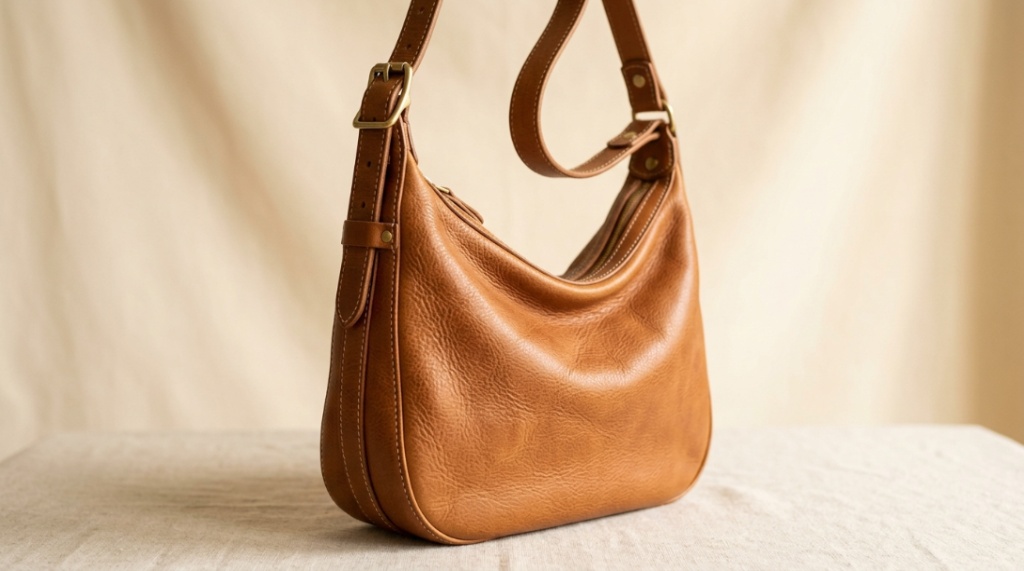
The leather goods industry marks up products an average of 6–12 times their production cost — meaning that the $600 hobo bag you’re eyeing likely costs under $80 to manufacture. Finding a high-quality leather hobo shoulder bag without overpaying requires understanding exactly what you’re paying for at each price tier and recognizing where quality genuinely lives versus where marketing inflates perception. A leather hobo bag is a crescent-shaped shoulder bag crafted from animal hide — typically cowhide — that’s been tanned, dyed, and finished to create a durable, soft-bodied accessory with a distinctive slouchy silhouette.
The frustration buyers face is real: you either overspend on a designer label and pay $1,000 for $150 worth of materials, or you underspend on cheap leather that cracks, peels, and smells chemical within months. Neither serves you. This guide reveals exactly how to identify genuine leather hobo bags with premium construction at fair prices — cutting through both luxury markup and fast-fashion deception.
What Does “Quality Leather” Actually Mean in Hobo Bags?
Quality leather in hobo bags means full-grain, or top-grain hides that retain the skin’s natural surface characteristics, have been properly vegetable or chrome-tanned, and will develop patina rather than deteriorate with age.
The leather hierarchy explained without industry jargon:
| Leather Grade | What It Is | Durability | Price Range (hobo bags) | Worth Paying For? |
|---|---|---|---|---|
| Full-grain | Entire hide surface intact, natural markings visible | 15–25+ years | $300–$2,000+ | Yes — best long-term value |
| Top-grain | Surface sanded slightly, then refinished | 10–15 years | $150–$800 | Yes — excellent balance |
| Corrected-grain | Surface heavily sanded, artificial grain embossed | 5–8 years | $100–$400 | Sometimes — check construction |
| Split leather | Lower hide layers, no natural surface | 3–5 years | $50–$200 | Only for budget-temporary use |
| Bonded leather | Leather scraps glued to fabric backing | 6–18 months | $30–$100 | No — false economy |
| PU/faux leather | Synthetic material mimicking leather | 1–3 years | $20–$150 | Only if ethics motivate |
For a leather hobo shoulder bag you’ll carry daily, top-grain is the minimum quality threshold worth purchasing. Full-grain is ideal if the budget allows. Everything below top-grain will visibly deteriorate within a few years of regular use — meaning you’ll buy replacement bags more frequently, ultimately spending more than if you’d invested once in quality.
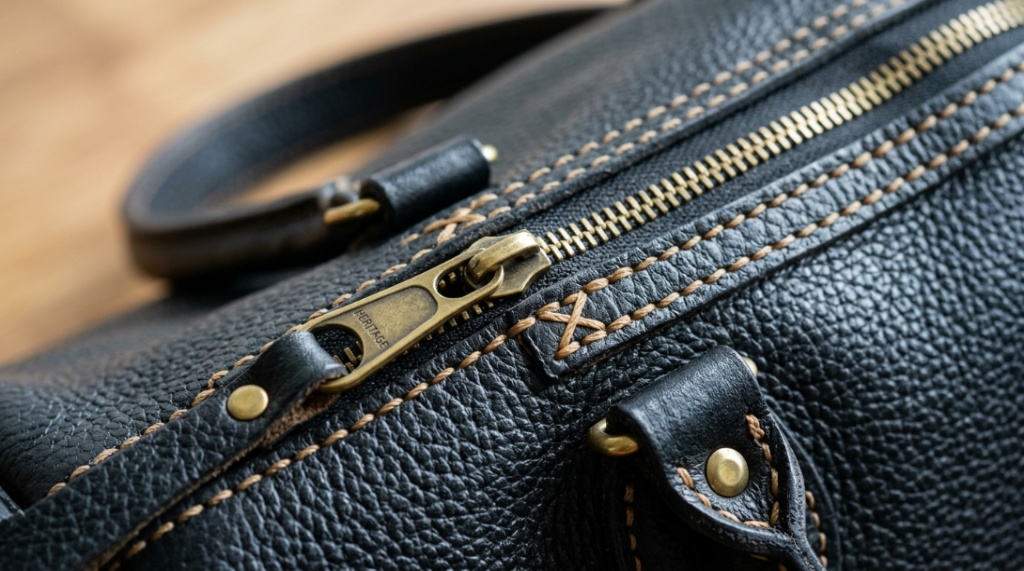
How Can You Physically Test Leather Quality in a Store?
Test leather quality using the smell test (natural leather smells rich and earthy, not chemical), the thumbnail test (real grain shows temporary lightening when pressed), and the flexibility test (quality leather folds smoothly without surface cracking).
Five physical tests you can perform in any store without tools:
- Smell test: Bring the bag close to your nose. Genuine quality leather has a distinct natural smell — warm, slightly sweet, organic. Synthetic or bonded leather smells chemical, plasticky, or has no smell at all. This single test eliminates fake leather instantly.
- Thumbnail press: Press your thumbnail gently into the leather surface. Full-grain leather shows a temporary lighter mark where natural oils displaced — this mark fades within seconds. Coated or synthetic materials show no change or leave a permanent dent.
- Fold test: Gently fold a section of the bag. Quality leather creates soft, even wrinkles that spring back. Low-quality leather or synthetic material cracks at the fold, shows white stress lines, or holds the crease permanently.
- Edge inspection: Look at any cut leather edges (inside or on strap ends). Natural leather shows fibrous layers — like tree rings. Synthetic shows uniform fabric or foam layers. This is the most reliable visual identification method.
- Water drop test: If the store allows, place a tiny water drop on an inconspicuous area. Genuine uncoated leather absorbs slowly (slight darkening). Synthetic repels immediately with no absorption. Note: Coated genuine leather may also repel initially.
Combining these tests gives you 95%+ accuracy in identifying genuine leather quality without relying on labels or sales claims. Stores that restrict you from touching or testing bags may be hiding inferior materials behind a visual presentation.
What Price Range Delivers Genuine Quality Without Luxury Markup?
The $200–$450 price range consistently delivers genuine leather hobo bags with quality construction, functional design, and longevity — without the 4–8x brand premium that luxury labels add for heritage, marketing, and retail overhead.
Understanding where your money goes at each tier:
- $50–$100: 70–80% of price covers retail margin and marketing. Materials budget: $10–$20. Expect synthetic, bonded, or lowest-grade genuine leather. Construction shortcuts everywhere.
- $100–$200: Genuine leather becomes possible. Construction improves — stitched rather than glued. Hardware upgrades from plastic-coated to basic metal. Some brands deliver excellent value here (Fossil, Lucky Brand).
- $200–$450: Quality sweet spot. Full-grain or premium top-grain leather, reinforced stitching, quality hardware, thoughtful interior design. Brands invest in materials rather than marketing. (Madewell, Coach, Cuyana, Hobo brand, Portland Leather Goods)
- $450–$800: Premium territory. Hand-selected hides, artisan-level construction details, and unique hardware. Often from smaller brands with workshop production. (Polène, A.P.C., Lotuff)
- $800–$3,000+: Luxury territory. Materials are exceptional but account for only 10–15% of the price. Remaining cost covers brand heritage, global retail, celebrity partnerships, and profit margins. (Bottega Veneta, The Row, Saint Laurent)
The honest calculation: a $300 hobo bag from a direct-to-consumer brand often uses identical or comparable leather to a $1,200 department-store luxury brand. The difference is branding, packaging, retail markup, and perceived exclusivity — not fundamental material quality.
Which Brands Offer the Best Quality-to-Price Ratio for Leather Hobo Bags?
Brands offering the best quality-to-price ratio include Cuyana, Portland Leather Goods, Coach (outlet excluded), Madewell, and Polène — each delivering premium materials with minimal brand markup through direct-to-consumer or efficiency-focused business models.
Brand-by-brand breakdown:
- Cuyana ($175–$400): Bay Area-founded, direct-to-consumer. Italian leather, clean, minimal designs, transparent pricing philosophy. Their hobo bags use butter-soft pebbled leather that competes with bags twice the price.
- Portland Leather Goods ($150–$300): Oregon-based, full-grain leather, handmade in the USA. Incredible value for domestic production. Leather develops beautiful patina. Limited design variety but exceptional material quality.
- Coach ($250–$500, mainline only): Heritage American leather brand with genuine craftsmanship in its mainline collection. Avoid outlet-specific products (different quality tier). Their pebbled leather hobos are workplace workhorses.
- Madewell ($150–$300): Excellent entry point for quality leather hobo bags. Their Transport collection uses thick, durable leather with a deliberate minimalist design. Strong everyday-carry functionality.
- Polène ($300–$600): Parisian brand, Spanish calfskin leather, architectural designs. Delivers near-luxury quality at accessible pricing through online-only distribution and minimal marketing spend.
- Hobo (the brand) ($200–$400): Named for the style itself. Specializes exclusively in soft leather bags. Their vintage-hide leather is buttery and ages beautifully. Deep knowledge of what makes hobo silhouettes function.
Common thread: these brands spend on materials rather than advertising. They reach customers through word-of-mouth, organic reviews, and product quality rather than celebrity endorsements and global campaigns — passing those savings directly to buyers through better leather at lower prices.

How Do You Avoid Common Overpaying Traps?
Avoid overpaying by ignoring brand prestige as a quality proxy, skipping department store full-price retail, understanding that “Italian leather” alone means nothing, and never buying leather bags at airport or tourist-zone shops.
Traps that cost buyers hundreds of unnecessary dollars:
- “Italian leather” label: Italy produces excellent leather — and terrible leather. “Italian leather” is a geographic claim, not a quality guarantee. Low-grade Italian bonded leather exists widely. Demand specific grade information (full-grain, top-grain) rather than accepting geographic labels as quality proof.
- Department store full retail: Department stores mark up 2.5–3x wholesale. The same brand’s bag sells for $500 at Nordstrom and $350 on the brand’s own website. Always check direct-to-consumer pricing first.
- Outlet mall illusion: Many “outlet” products are manufactured specifically for outlets at lower quality specs — different leather, thinner hardware, simplified construction. A $200 outlet bag isn’t a “$400 bag on sale.” It’s a $200-quality bag.
- Logo premium: Visible brand logos add 30–60% to price without adding material quality. A monogram-covered hobo from a luxury house uses the same leather grade as their logo-free option — but costs significantly more due to the branding’s perceived value.
- Seasonal rush pricing: Buying a leather bag in September (fall fashion peak) means paying full retail. The same bags hit 30–40% off in January and July when retailers clear inventory.
- Tourist/airport pricing: Markup in tourist-heavy retail zones runs 40–100% above standard retail. That leather bag in a San Francisco Fisherman’s Wharf shop costs dramatically more than the identical quality in a neighborhood boutique.
Investing in a everyday purse shouldn’t mean draining your wallet, but it does require knowing what details to look for. While shopping around, it helps to compare different silhouettes and brands to see which styles offer the most versatility. If you are looking to expand your collection beyond the classic slouchy shape, check out our curated guide on the Best Handbags for Women to find durable, stylish options that perfectly balance premium craftsmanship with everyday functionality.
When Is Buying Pre-Owned Luxury the Smartest Strategy?
Buying pre-owned luxury leather hobo bags is smartest when you want a specific designer’s leather quality and construction but refuse to pay full retail, achieving 40–70% savings on bags that luxury leather allows to age gracefully.
Leather bags are uniquely suited to the pre-owned market because quality leather improves with age. A three-year-old full-grain leather hobo from Bottega Veneta often looks better than new — with developed patina, softened body, and character that can’t be manufactured. You’re buying a broken-in premium product at a fraction of the original price.
Best platforms for pre-owned luxury hobo bags:
- The RealReal: The authentication team verifies every item. Wide luxury selection. Typical savings: 40–65% off retail. Best for Chanel, Gucci, Saint Laurent hobos.
- Vestiaire Collective: Peer-to-peer with authentication. Stronger European brand selection. Typical savings: 35–60%.
- Rebag: Curated luxury resale. Strict quality standards. Premium pricing among resale platforms, but excellent condition guaranteed.
- Poshmark: Best for mid-range brands (Coach, Tory Burch, Kate Spade). Less authentication rigor — inspect listing photos carefully. Typical savings: 50–75%.
What to verify before buying pre-owned: check leather condition photos for cracking or deep scratches, verify hardware function (zippers, clasps), confirm no interior staining or lining tears, and request photos of brand stamps and serial numbers. Minor wear on genuine leather is desirable (character) — peeling, cracking, or odor is disqualifying.
How Do You Verify Online Purchases Meet Quality Expectations?
Verify online leather bag quality by checking the brand’s material disclosure, reading long-term owner reviews (3+ months of use), confirming return policies before ordering, and physically inspecting immediately upon delivery using the five-point test.
Online purchasing removes the ability to touch and smell before buying — making these verification steps essential:
- Material transparency: Quality brands disclose leather type (full-grain, top-grain), tannery source, and origin country prominently. Vague descriptions (“genuine leather,” “real leather,” “premium materials”) without specifics signal lower quality and trying to avoid scrutiny.
- Review timeline: Fresh reviews (within a week of purchase) only tell you about unboxing excitement. Search for reviews at 3, 6, and 12 months — these reveal how the leather ages, whether hardware tarnishes, and if stitching holds. Filter reviews on sites like Reddit, YouTube, and blogs rather than brand websites.
- Return window: A minimum 30-day return policy is essential for leather bags. You need time to test real-world carry, evaluate strap comfort under load, and check for defects that only appear after several uses.
- Delivery inspection protocol: Upon arrival, perform the smell test, thumbnail press, and edge inspection immediately. Check stitching under bright light. Test all closures and hardware. Document any concerns with photos within 48 hours for return eligibility.
If a brand hides behind vague material descriptions, offers no returns, and has only 5-star reviews without details, those are compounding red flags that suggest the product won’t match its online presentation.
Conclusion
Finding a high-quality leather hobo shoulder bag without overpaying comes down to education — knowing what genuine quality leather looks like, feels like, and costs to produce, then shopping where brands invest in materials rather than marketing. The $200–$450 range from direct-to-consumer brands consistently delivers genuine leather hobo bags that rival luxury construction at a fraction of the markup.
Use physical tests to verify quality regardless of price tag. Shop direct-to-consumer brands that publish transparent material sourcing. Consider pre-owned luxury for designer-level leather at 40–70% savings. And remember: a well-made,e genuine leather hobo bag at $300 will outlast and outperform a poorly made designer bag at $1,200 every single time. Quality lives in the material and construction — not the logo stitched inside.
Frequently Asked Questions
How can you tell if a leather hobo bag is genuine leather?
Check the smell (warm, natural scent vs. chemical), edges (fibrous layers visible vs. uniform synthetic), surface response (temporary marks when pressed vs. no change), and labeling. Genuine leather products are legally required to disclose material composition in most markets. “Genuine leather” is actually the lowest acceptable grade — look for “full-grain” or “top-grain” for quality confirmation.
Is “genuine leather” good quality for hobo bags?
“Genuine leather” is technically real leather, er but it’s the lowest grade in the quality hierarchy. It’s made from the inner splits of the hide — less durable, less attractive aging, and prone to cracking over time. For a hobo bag you’ll carry daily, seek “top-grain” or “full-grain” designations. “Genuine leather” functions as a budget option but won’t deliver the longevity or patina development of higher grades.
Why do some leather hobo bags cost $1,000+ while others cost $200?
The price difference primarily reflects brand positioning, retail overhead, marketing costs, and profit margins rather than proportional material quality differences. A $1,000 bag may use 15–20% better leather than a $300 bag, but the remaining price gap covers brand name recognition, luxury packaging, global advertising campaigns, and premium retail space rent. The leather itself rarely justifies more than a 2x price difference between quality mid-range and luxury tier.
How long should a quality leather hobo bag last?
A quality full-grain or top-grain leather hobo bag with proper care lasts 8–15 years of regular use — sometimes longer. The strap and hardware typically fail before the leather body. Brands offering repair services (hardware replacement, restitching) can extend life indefinitely. Budget leather bags (genuine grade or bonded) typically last 1–3 years before visible deterioration becomes unacceptable.
What’s the best leather type for a hobo bag that ages well?
Vegetable-tanned full-grain leather ages most beautifully — developing rich color, for deepening, surface character, and unique patina specific to your use patterns over time. Chrome-tanned leather (more common, more affordable) ages less dramatically but maintains its original appearance longer. For a visible aging character, choose vegetable-tanned. For a maintained appearance, choose chrome-tanned.
Are direct-to-consumer leather bag brands actually a better value?
Generally yes. Direct-to-consumer brands eliminate 2–3 layers of markup (distributor, wholesale, retail) that traditional brands pass to consumers. This allows them to invest more in materials while charging less at the final sale. Brands like Cuyana, Portland Leather Goods, and Quince consistently deliver materials comparable to brands priced 2–3x higher through traditional retail channels.
About Author

You may also like
-
First Monday Trade Days 2026: Complete Monthly Schedule, Discover Antiques, Boutique Fashion and Handmade Goods
-
Best Handbags for Women 2026: Trends, Styles and Buying Tips
-
How to Pick MTB Safety Gear Gift Ideas Riders Will Appreciate
-
Mallet vs Blade Putter: How to Choose the Best One for Your Game
-
What is a Good Gift for Kids? A Comprehensive Guide to Choosing the Perfect Present