
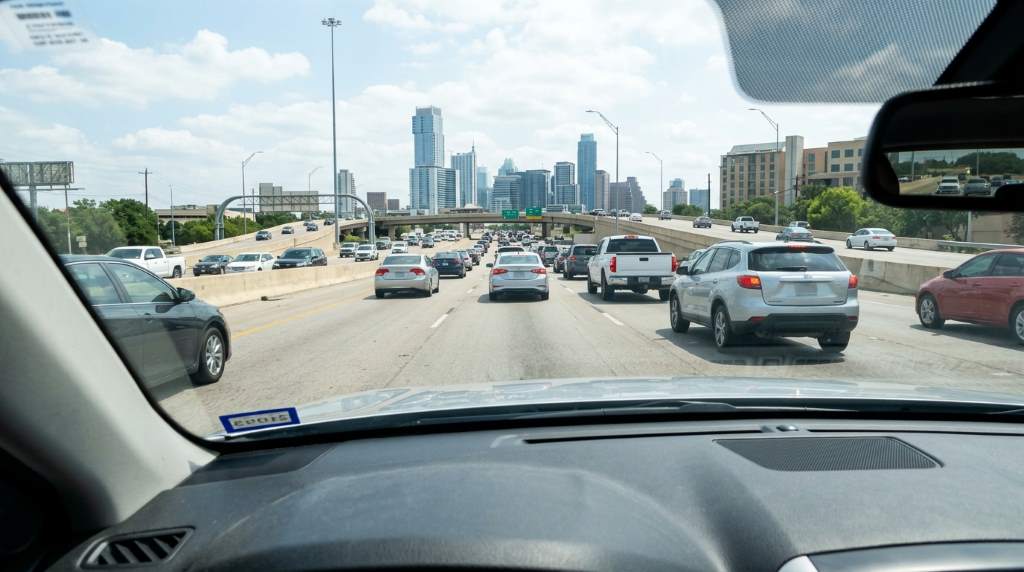
Rear end crashes account for nearly 30 percent of all traffic accidents in the U.S. each year. In Austin TX, these collisions often result from distracted driving or sudden stops. Knowing how to prevent them can save lives and reduce injuries. It is also important to understand auxiliary brake requirements for vehicles towing trailers.
Understand the Common Causes of Rear End Crashes
Distracted driving is a leading cause of rear end crashes in Austin. Drivers often look at their phones or adjust the radio instead of focusing on the road. Tailgating is another major factor that reduces reaction time.
Sudden stops can catch following drivers off guard. Poor weather conditions like rain or fog also contribute to these accidents. Drivers must adjust their speed and following distance in bad weather.
Fatigue and impaired driving slow down reaction times. Always stay alert and sober when behind the wheel. Remember that more than one person can share driving responsibilities on long trips.
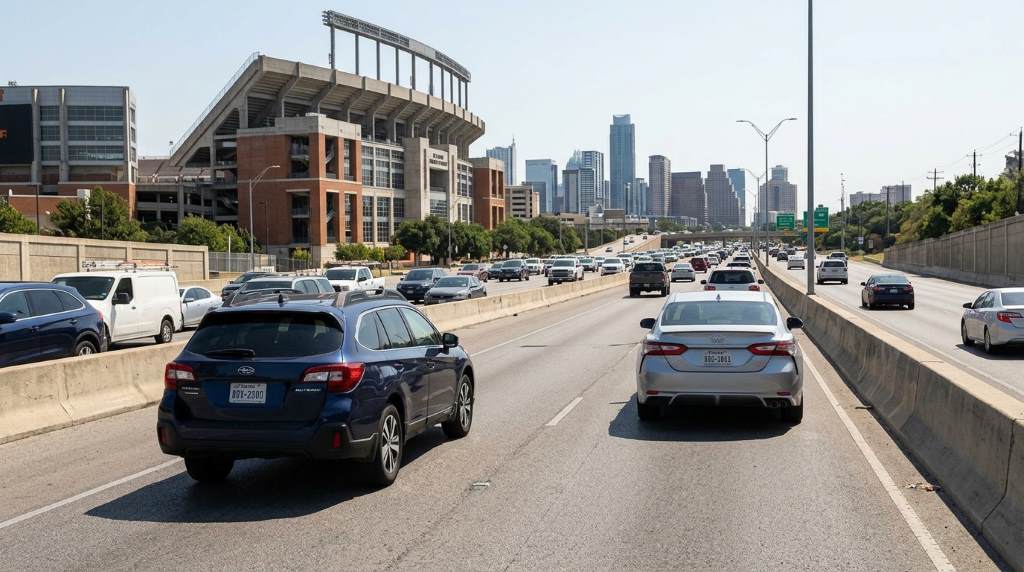
Maintain a Safe Following Distance
The three second rule helps maintain a safe following distance. Pick a fixed object ahead and count the seconds it takes to reach it. If you reach it in less than three seconds, slow down.
Increase the following distance in bad weather or heavy traffic. This gives you more time to react to sudden stops. Larger vehicles like trucks need even more space to stop safely.
Always watch the traffic ahead, not just the car in front of you. This helps you anticipate stops and slowdowns. Adjust your speed to match the flow of traffic.
Use Defensive Driving Techniques
Scan the road ahead for potential hazards like stopped cars or debris. Keep your eyes moving to stay aware of your surroundings. Avoid distractions like eating or using your phone while driving.
Signal early when changing lanes or turning to give other drivers time to react. Check your mirrors frequently to stay aware of vehicles around you. Always use your turn signals to communicate your intentions.
If you see a driver behaving erratically, keep your distance. It is better to arrive safely than to risk an accident. Planning ahead for optimum time to book your travel can also reduce stress.
Keep Your Vehicle in Good Condition
Regularly check your brake lights and turn signals to ensure they work properly. Faulty lights can prevent other drivers from knowing your intentions. Replace burnt out bulbs immediately.
Maintain your brakes to ensure they respond quickly in emergencies. Check your tire pressure and tread depth for better traction. Good tires help you stop faster and maintain control.
Ensure your windshield wipers and defrosters work well for clear visibility. Poor visibility increases the risk of rear end crashes. Always follow Texas car seat laws to keep children safe.
Adapt to Traffic and Road Conditions
Reduce your speed in heavy traffic or poor weather conditions. This gives you more time to react to sudden changes. Always keep a safe distance from the car in front of you.
Watch for road signs and traffic signals that indicate stops or slowdowns ahead. Be extra cautious in construction zones where traffic patterns change. Adjust your driving to the conditions of the road.
Avoid sudden lane changes or stops that can surprise other drivers. Smooth and predictable driving helps prevent accidents. Always signal your intentions well in advance.
Know What to Do If a Crash Is Unavoidable
If a rear end crash seems unavoidable, try to steer into an open space. Brace yourself and your passengers for impact. Avoid slamming on the brakes if it could cause a more severe collision.
After a crash, check for injuries and call emergency services if needed. Move your vehicle to a safe location if possible. Exchange information with the other driver and document the scene.
Report the accident to your insurance company as soon as possible. Take photos of the damage and the scene for your records. This information can help with your claim.
Conclusion
Rear end crashes are common but often preventable with the right habits. Staying alert, maintaining a safe following distance, and keeping your vehicle in good condition can reduce your risk. Always drive defensively and adapt to road conditions.
Share these tips with friends and family to promote safer roads for everyone. Safe driving is a responsibility we all share. Start practicing these habits today to protect yourself and others.
FAQ
What is the most common cause of rear end crashes?
Distracted driving is the leading cause of rear end crashes.
How can I maintain a safe following distance?
Use the three second rule to maintain a safe following distance.
What should I do if my brake lights are not working?
Replace burnt out brake light bulbs immediately to ensure visibility.
How can I adapt my driving in bad weather?
Reduce your speed and increase your following distance in poor weather.
What should I do after a rear end crash?
Check for injuries, move to a safe location, and exchange information with the other driver.
About Author
