

Kings Canyon National Park offers some of the most spectacular and remote golden trout fishing opportunities in California. This pristine wilderness area, located in the southern Sierra Nevada, provides anglers with a chance to pursue one of the most beautiful and elusive fish species in North America. Whether you’re an experienced backcountry angler or planning your first high-elevation fishing expedition, the resources at Crazy Fishing Gear can help you prepare for an unforgettable adventure in these remote mountains.
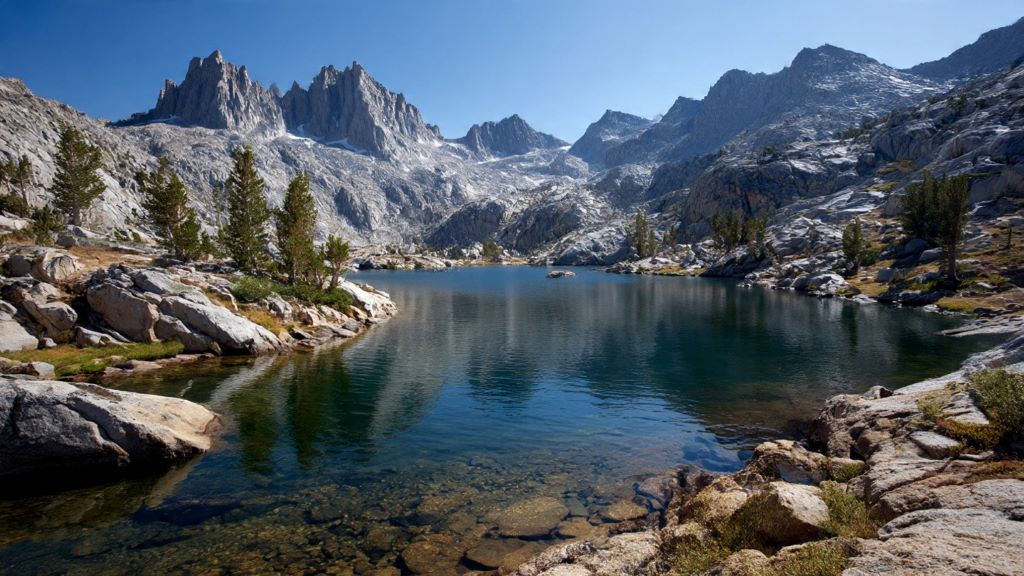
Golden trout are California’s state fish and are renowned for their stunning coloration and challenging nature. These fish thrive in cold, clear waters at elevations typically above 8,000 feet. Kings Canyon National Park provides ideal habitat for these remarkable creatures. The park’s remote location and limited access mean that golden trout populations remain healthy and relatively undisturbed. Additionally, where to catch golden trout in the sierras requires understanding the specific waters where these fish naturally occur, as they inhabit only select high-altitude streams and lakes within their native range.
Understanding Golden Trout Habitat in Kings Canyon
Golden trout originally evolved in the upper reaches of the Kern River drainage. However, successful transplantation efforts have established populations in many high-elevation waters throughout the Sierra Nevada, including Kings Canyon National Park. These fish prefer water temperatures between 50 and 60 degrees Fahrenheit. Therefore, they inhabit streams and lakes at elevations where snowmelt keeps water temperatures cool throughout the summer months.
The remote nature of Kings Canyon’s golden trout waters means that reaching productive fishing spots requires significant planning and physical effort. Most golden trout streams lie several miles from the nearest trailhead. Consequently, anglers should prepare for multi-day backpacking trips to access the best fishing locations. The rewards, however, are well worth the effort.
Best Locations for Golden Trout in Kings Canyon
Several drainages within Kings Canyon National Park offer excellent golden trout fishing opportunities. The upper reaches of Bubbs Creek contain healthy populations of golden trout in both the main creek and its tributaries. Anglers willing to hike beyond the popular Rae Lakes area will find less fishing pressure and eager fish.
The South Fork of the Kings River drainage also provides exceptional golden trout habitat. This area requires considerable hiking to reach productive waters. However, the solitude and fishing quality make it a favorite among serious backcountry anglers. The upper elevation lakes and streams in this drainage hold beautiful golden trout that readily take small flies and lures.
Woods Creek and its tributaries represent another excellent option for golden trout enthusiasts. This drainage connects to the John Muir Trail, providing access through some of the most spectacular scenery in the Sierra Nevada. The upper reaches of Woods Creek and its side streams contain good populations of wild golden trout.
Essential Gear and Tackle for High Sierra Golden Trout
Successful golden trout fishing requires specialized gear suited to backcountry conditions. Lightweight fly rods in the 3 to 5 weight range work perfectly for these small streams and lakes. Additionally, ultralight spinning gear offers an excellent alternative for anglers who prefer conventional tackle. The key is keeping your equipment light enough for long backpacking trips while maintaining sufficient quality for reliable performance.
Fly patterns for golden trout should emphasize small sizes and natural colors. Dry flies in sizes 14 to 18, including Adams, Elk Hair Caddis, and Royal Wulff patterns, produce consistent results. Small nymphs such as Pheasant Tails and Hare’s Ears in sizes 14 to 16 also work well. Furthermore, terrestrial patterns like ants and beetles can be extremely effective during summer months when insects are abundant.
For spin fishing enthusiasts, small spinners and spoons in gold, silver, and copper finishes attract strikes from golden trout. Rooster Tails, Panther Martins, and similar lures in the smallest sizes available work best in these clear waters. Light line in the 2 to 4 pound test range helps with casting tiny lures and reduces visibility in the crystal-clear mountain streams.
Planning Your Golden Trout Fishing Trip
Timing is crucial for successful golden trout fishing in Kings Canyon National Park. The high-elevation waters where golden trout live typically remain ice-covered until late June or early July. Peak fishing season runs from mid-July through September. However, afternoon thunderstorms become more common in late summer, so plan accordingly.
Obtaining the proper permits is essential before heading into the backcountry. According to the National Park Service, wilderness permits are required for all overnight stays in Kings Canyon’s backcountry. These permits are limited and can be competitive during peak season. Therefore, applying early increases your chances of securing your preferred dates and entry point.
California fishing licenses are mandatory for anyone 16 years or older. These licenses can be purchased online through the California Department of Fish and Wildlife. Special regulations apply to golden trout in many Sierra Nevada waters, so carefully review the current fishing regulations before your trip.
Physical Preparation and Safety Considerations
Fishing for golden trout in Kings Canyon demands good physical fitness. Trails to productive fishing areas often involve significant elevation gain and multi-mile approaches. Additionally, the high altitude can affect even well-conditioned hikers. Spending a day or two acclimating at moderate elevations before heading to the highest fishing spots helps prevent altitude sickness.
Weather in the high Sierra can change rapidly. Morning sunshine can quickly give way to afternoon thunderstorms. Pack appropriate rain gear and warm layers even during summer months. Temperatures at night can drop below freezing at high elevations, even in August.
Wildlife encounters, particularly with black bears, require proper food storage techniques. All food and scented items must be stored in approved bear-resistant containers. The National Park Service provides specific guidelines for bear safety that all backcountry visitors should follow carefully.
Water purification is essential in the backcountry. Despite the clear appearance of mountain streams, they can harbor harmful pathogens. Carry a reliable water filter or purification tablets to ensure safe drinking water throughout your trip.
Fishing Techniques for Golden Trout
Golden trout typically feed actively during morning and evening hours. Midday can be productive, especially on overcast days or in shaded pools. These fish are not overly selective but can be spooky in the clear, shallow waters they inhabit. A stealthy approach improves your success rate significantly.
In streams, focus on pools, pocket water behind boulders, and undercut banks. Golden trout often hold in surprisingly shallow water, especially in the morning and evening. Cast upstream and allow your fly or lure to drift naturally with the current. Strikes often come quickly, so stay alert and be ready to set the hook.
Lake fishing for golden trout requires different tactics. Look for inlet and outlet streams where moving water attracts feeding fish. Additionally, drop-offs and rocky shorelines often hold fish. Early morning and late evening produce the most consistent action on high-elevation lakes.
Conservation and Ethical Angling
Golden trout populations in Kings Canyon National Park represent precious natural resources. Practicing catch-and-release fishing helps ensure these populations remain healthy for future generations. Handle fish gently and minimize time out of water. Using barbless hooks makes releasing fish easier and less harmful.
Stay on established trails when possible to minimize environmental impact. Moreover, practice Leave No Trace principles throughout your trip. Pack out all trash, minimize campfire impacts, and camp at least 100 feet from water sources.
Respect fishing regulations, including possession limits and special restrictions. Some waters within the park have specific regulations designed to protect sensitive fish populations. Always check current regulations before fishing.
Making the Most of Your Adventure
Combine fishing with enjoying the incredible scenery and wilderness experience that Kings Canyon offers. Take time to appreciate the alpine meadows, granite peaks, and pristine forests. Wildlife viewing opportunities abound, with chances to see marmots, pikas, deer, and various bird species.
Photography enthusiasts will find endless subjects in both the landscape and the beautiful golden trout themselves. The vibrant colors of these fish, especially breeding males, provide stunning photo opportunities. Remember to handle fish carefully and return them to the water quickly when taking photos.
Conclusion
Kings Canyon National Park offers unparalleled opportunities for anglers seeking wild golden trout in pristine backcountry settings. Success requires careful planning, proper permits, appropriate gear, and good physical conditioning. However, the rewards include fishing for one of North America’s most beautiful fish species in spectacular alpine environments. The solitude and natural beauty of these remote areas create memories that extend far beyond the fish caught. By practicing ethical angling and conservation principles, we can ensure that future generations enjoy these same remarkable experiences. Start planning your golden trout adventure today and discover why these high Sierra waters attract dedicated anglers from around the world.
Frequently Asked Questions
What is the best time of year to fish for golden trout in Kings Canyon National Park?
The best time for golden trout fishing in Kings Canyon runs from mid-July through September. High-elevation waters typically remain frozen until late June or early July. Mid-summer offers the most stable weather and best fishing conditions, though afternoon thunderstorms become more common in August and September.
Do I need a special permit to fish for golden trout in Kings Canyon?
You need both a California fishing license and a wilderness permit for overnight backcountry trips. Wilderness permits are required for all overnight stays and are limited in number. Apply early through the National Park Service reservation system. Standard California fishing regulations apply unless specific waters have special restrictions.
How difficult is the hiking required to reach golden trout waters?
Reaching productive golden trout waters typically requires multi-day backpacking trips with significant elevation gain. Most quality fishing spots lie 5 to 15 miles from trailheads at elevations above 9,000 feet. Good physical fitness and proper acclimatization to high altitude are essential for safe and enjoyable trips.
What size fish can I expect to catch?
Golden trout in Kings Canyon typically range from 6 to 12 inches, with occasional fish reaching 14 inches or larger. While these fish are not large, their stunning coloration and the remote wilderness settings where they live make them prized catches. The challenge of reaching these fish and their beautiful appearance more than compensate for their modest size.
Can I keep golden trout, or is catch-and-release required?
California fishing regulations allow limited harvest of golden trout in most waters, typically with a five-fish daily limit. However, many anglers practice voluntary catch-and-release to help preserve these special populations. Some specific waters within Kings Canyon may have additional restrictions, so always check current regulations for the area where you plan to fish.
Related Topics:
The Ultimate Guide to Shimano Reel Maintenance and Corrosion Prevention in Saltwater Fishing
Ultimate Guide to Things to Do in Broken Bow, Oklahoma
About Author

You may also like
-
How to Find Safe Arborist Rope Kits Under Budget
-
How to Pick Windproof Surf Ponchos for Cold Water Surfing
-
Iowa State Fair 2026: Dates, Concert Schedule, Ticket Guide and Fair Highlights
-
Don’t Miss New York Comedy Festival 2026 – Biggest Laughs in NYC
-
How to Understand Texas Car Seat Laws Before Buying a Seat This Year