
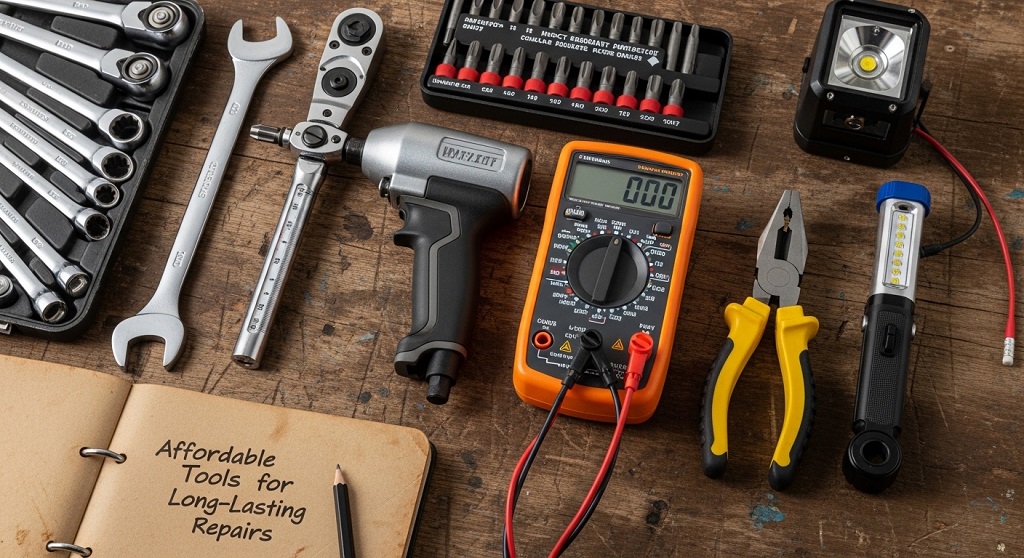
If you buy cheap car repair tools twice, you often pay more than buying reliable tools once. Many DIY mechanics and beginners make this mistake. They focus only on price, not durability, material quality, or long-term usability. The result? Rounded bolts, broken sockets, and wasted money.
So how to pick affordable car repair tools that last longer? Choose tools made from durable alloys like chrome vanadium steel, prioritize essential kits over single-use tools, check warranty coverage, and evaluate grip design and torque resistance before buying.
This guide explains how to choose budget-friendly automotive tools that actually survive regular repairs. You’ll learn what materials matter, which tool categories deliver the best value, and how real users reduce replacement costs by selecting smarter toolkits.
If you maintain your own vehicle or plan to start DIY car maintenance, this article will help you build a reliable toolkit without overspending.
Why is choosing affordable car repair tools important for DIY mechanics?
Short answer: Affordable but durable tools reduce long-term repair costs, prevent bolt damage, and improve safety during maintenance.
Many beginners assume professional tools are required for reliable vehicle repair. That is not true. What matters is choosing tools that balance price and structural strength.
Problem: Cheap tools often fail under torque pressure. They slip or deform. This increases repair time and damages fasteners.
Agitation: A stripped bolt can turn a 15-minute brake job into a two-hour repair. In some cases, you must replace parts that were originally fine.
Solution: Selecting durable budget tools prevents repeat purchases and protects vehicle components.
Automotive repair typically requires tools that handle:
- High torque loads
- Frequent repetition
- Tight engine spaces
- Rusty fasteners
- Heat exposure
When tools survive these conditions, they become long-term investments instead of temporary fixes.
What materials make affordable car repair tools last longer?
Short answer: Chrome vanadium steel and chrome molybdenum steel provide the best strength-to-cost ratio for automotive tools.
The material used in a tool determines its lifespan more than its price tag.
Look for these common materials:
| Material | Best Use | Durability Level |
|---|---|---|
| Chrome Vanadium Steel | Sockets, ratchets, wrenches | High |
| Chrome Molybdenum Steel | Impact sockets | Very High |
| Carbon Steel | Basic hand tools | Moderate |
| Alloy Steel | General-purpose kits | High |
Case insight: A small garage maintenance group compared two entry-level socket sets across six months of weekend brake repairs. Chrome vanadium sockets showed no rounding after repeated torque cycles, while carbon steel sockets developed visible wear after fewer than 20 uses.
This demonstrates why material selection matters more than brand recognition when choosing budget automotive tools.
Which essential car repair tools should beginners buy first?
Short answer: Start with a socket set, torque wrench, screwdrivers, pliers, and breaker bar.
Buying the right starter tools prevents unnecessary spending later.
Focus on these essentials:
- Metric socket set
- Ratchet handle
- Combination wrench set
- Torque wrench
- Breaker bar
- Slip-joint pliers
- Screwdriver set
- Jack and jack stands
Problem: Many buyers purchase large tool kits with rarely used accessories.
Agitation: This increases upfront cost without improving repair capability.
Solution: A focused starter kit covers 80% of routine maintenance tasks such as oil changes, brake replacement, battery swaps, and filter replacement.
How can you identify durable automotive tools before buying?
Short answer: Check steel composition, surface finish, grip quality, warranty coverage, and weight balance.
Durability indicators are visible even before using a tool.
Here is what to inspect:
- Stamped steel markings
- Polished corrosion-resistant coating
- Solid ratchet engagement sound
- Non-slip handle texture
- Lifetime warranty availability
A strong ratchet mechanism should rotate smoothly without skipping teeth. Loose engagement often signals poor manufacturing tolerance.
Another indicator is coating quality. Tools with chrome plating resist rust better in humid workshop environments.
Are tool kits better than buying individual tools separately?
Short answer: Starter kits provide better value for beginners, while individual tools suit advanced users.
Budget tool kits usually reduce cost per tool by 25% to 40% compared to individual purchases.
Problem: Buying tools individually increases total cost quickly.
Agitation: Many beginners spend more assembling basic kits piece by piece.
Solution: Entry-level mechanic sets provide organized storage and commonly used sizes in one purchase.
However, professionals often upgrade specific tools later for higher torque applications.
What features should you check in a reliable budget socket set?
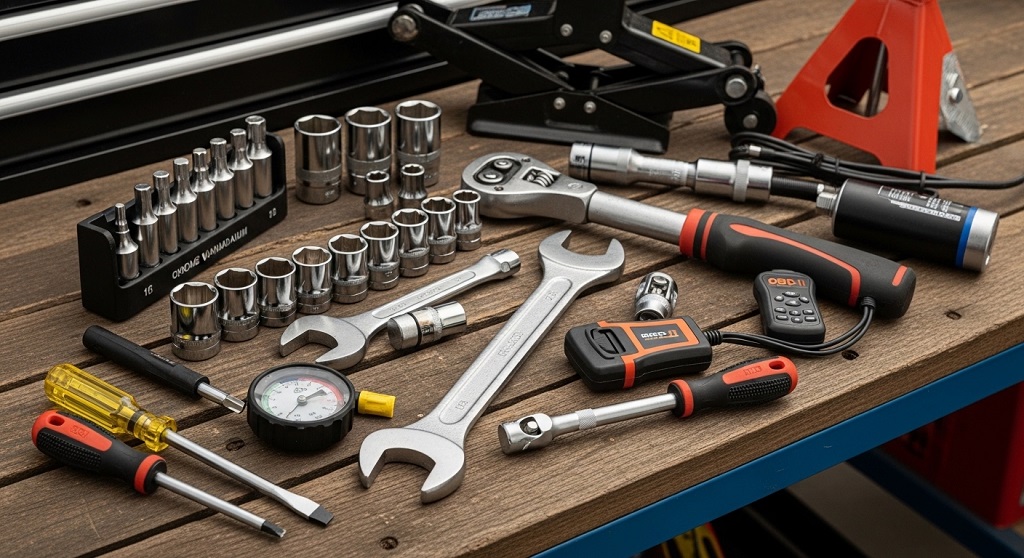
Short answer: Choose a socket set with 72-tooth ratchets, laser-etched markings, and chrome vanadium construction.
Socket sets are the backbone of automotive repair.
Important features include:
- Metric size coverage (8mm–19mm minimum)
- Deep and shallow sockets
- Extension bars
- Quick-release ratchet
- Storage case durability
Laser-etched size markings remain visible longer than printed labels.
Quick-release ratchets reduce socket slippage during tight engine work.
How does warranty coverage affect long-term tool affordability?
Short answer: Lifetime warranties reduce replacement costs and improve long-term savings.
Warranty policies often indicate manufacturer confidence.
Many mid-range automotive tool brands provide:
- Lifetime replacement guarantees
- Limited repair warranties
- Exchange support for broken components
Case insight: A weekend repair hobbyist tracked replacement costs over one year using warranty-supported ratchets. Tool replacement expenses dropped to zero despite heavy seasonal usage.
This confirms warranty-backed tools offer better value than cheaper non-supported alternatives.
Why does grip design matter in affordable mechanic tools?
Short answer: Ergonomic grips reduce hand fatigue and improve torque control.
Grip quality directly affects usability.
Look for:
- Rubberized handles
- Anti-slip textures
- Balanced weight distribution
Poor grip increases slip risk during high-pressure fastening tasks.
Improved grip design increases control during brake service and suspension repairs.
Should you choose manual tools or power tools on a budget?
Short answer: Manual tools offer better durability-per-cost for beginners.
Power tools improve speed but increase initial investment.
Manual tools handle most routine maintenance:
- Oil filter replacement
- Battery servicing
- Brake pad installation
- Spark plug removal
Entry-level users benefit more from strong manual kits than entry-level cordless tools.
How can you avoid common mistakes when buying cheap car repair tools?
Short answer: Avoid unmarked steel tools, plastic ratchets, incomplete socket ranges, and tools without warranty coverage.
Common buying mistakes include:
- Choosing tools based only on price
- Ignoring steel composition
- Buying oversized kits with filler accessories
- Skipping torque wrench purchase
Problem: These mistakes reduce tool lifespan.
Agitation: Replacement cycles increase yearly spending.
Solution: Focus on reliability indicators rather than kit size.
What role does tool storage play in extending tool lifespan?
Short answer: Proper storage prevents rust, misplacement, and structural damage.
Toolboxes protect tools from environmental exposure.
Best storage practices include:
- Keeping tools dry
- Using molded storage cases
- Cleaning tools after repairs
- Applying light oil coating when needed
Organized storage also improves repair efficiency.
Can affordable tools handle professional-level automotive repairs?
Short answer: Yes, if they meet torque resistance standards and use alloy steel construction.
Many mid-range tools perform reliably under:
- Brake servicing
- Suspension maintenance
- Engine component removal
- Battery system repairs
Case insight: A community garage workshop tested mid-range breaker bars across multiple suspension bolt removals. The tools handled repeated torque loads without deformation.
This shows affordability does not automatically mean weak performance.
How do you build a long-lasting budget automotive toolkit step by step?
Short answer: Start with core tools, upgrade selectively, and prioritize durability over quantity.
Follow this strategy:
- Step 1: Buy socket set
- Step 2: Add torque wrench
- Step 3: Add breaker bar
- Step 4: Add pliers and screwdrivers
- Step 5: Expand specialty tools gradually
This phased approach reduces unnecessary purchases.
It also ensures each new tool supports real maintenance needs.
Conclusion: How can the right affordable tools transform your repair experience?
Choosing affordable car repair tools that last longer is not about finding the cheapest option. It is about selecting tools built from reliable materials, supported by warranties, and designed for repeated mechanical stress.
When you focus on chrome vanadium construction, ergonomic grip design, and essential tool categories first, your toolkit becomes more efficient and cost-effective over time. Instead of replacing broken tools every season, you build a dependable setup that supports years of maintenance work.
If you are planning to start DIY vehicle servicing or upgrade your current toolkit, begin by reviewing your essential socket range and torque equipment today. A smarter toolkit saves money, reduces repair time, and improves safety with every job.
Take action now: audit your current tool collection and replace weak components with durable budget alternatives that support long-term automotive maintenance.
Frequently Asked Questions (FAQs)
How to pick affordable car repair tools for beginners?
Start with a chrome vanadium socket set, combination wrenches, pliers, and a torque wrench. Choose tools with lifetime warranties and avoid oversized kits containing unnecessary accessories.
Are cheap automotive tools worth buying?
Cheap tools without alloy steel construction often fail quickly. Affordable mid-range tools with proper material strength provide better long-term value than ultra-low-cost options.
What is the most important tool in a car repair kit?
A metric socket set is the most essential tool because it supports most automotive maintenance tasks, including brake service, battery replacement, and engine component removal.
How long should budget mechanic tools last?
Well-made budget automotive tools can last several years when used for routine maintenance and stored properly. Alloy steel tools typically show slower wear compared to carbon steel tools.
Should I buy a torque wrench for basic repairs?
Yes. A torque wrench prevents overtightening bolts and protects engine components, brake assemblies, and suspension hardware during installation.
Do warranties matter when buying car repair tools?
Yes. Warranty-supported tools reduce replacement costs and indicate higher manufacturing confidence. Lifetime warranties are especially valuable for ratchets and sockets.
Is it better to buy manual tools before power tools?
Manual tools provide better durability-per-cost for beginners and support most routine repairs. Power tools become useful later for speed and efficiency upgrades.
Read More Also: How does an AI receptionist improve the customer experience?
Discover More: Choosing the Right Venue for your Event or Conference
About Author
