
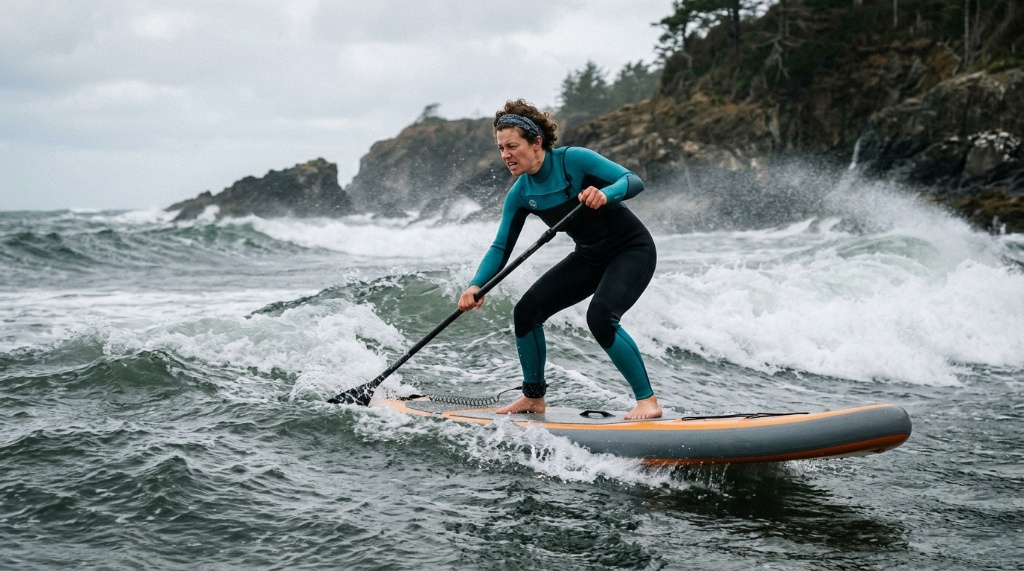
California’s coastline stretches roughly 840 miles, and a good chunk of it offers calm bays, glassy morning water, and scenery that makes a paddle feel less like exercise and more like sightseeing. But scenic paddle boarding here comes with real variables: wind, tides, boat traffic, and crowds can turn a beautiful spot into a frustrating one. Gear matters too, especially for beginners who need an adjustable paddle that grows with them, which is where a LEDONNE adjustable stand up paddle review can help before you commit. This guide covers where to paddle, when to go, and what to plan for so you spend more time gliding and less time fighting conditions.
Quick Answer
The best scenic paddleboarding in California happens in sheltered bays and harbors during the early morning, before wind picks up. Top choices include Lake Tahoe’s Emerald Bay, Morro Bay, Monterey Bay, and San Diego’s Mission Bay. Check tide charts, wind forecasts, and local launch rules first, since conditions and access vary widely by location.
Key Takeaways
- Calm water and light wind matter more than a pretty backdrop for a good paddle experience.
- Morning paddles are almost always smoother than afternoon sessions due to coastal wind patterns.
- Adjustable paddles suit beginners and shared-gear households better than fixed-length models.
- Launch fees, parking, and marine protected area rules differ by location and are easy to overlook.
- A leash, PFD, and weather check are non-negotiable safety basics in California waters.
Where to Find the Most Scenic Paddleboarding in California
California offers two very different paddleboard experiences: ocean-adjacent bays and alpine lakes. Both can be stunning, but they demand different preparation. The sections below cover standout areas based on shelter, water clarity, and accessibility rather than just reputation.
Lake Tahoe and Emerald Bay
Emerald Bay is one of the most photographed paddle spots in the state, with granite cliffs and a small island in the middle of clear water. The catch is that it gets windy fast, and afternoon chop can make the bay uncomfortable. Launch early, ideally by 7 a.m., and check whether the area has seasonal restrictions, since parts of Emerald Bay fall under protected status.
Morro Bay
Morro Rock provides a dramatic backdrop, and the bay itself is sheltered enough for beginners on calm days. Tides matter here: at low tide, shallow areas can expose mud and eelgrass, which is both an obstacle and an ecological area to avoid disturbing. Time your paddle around mid-to-high tide for smoother conditions.
Monterey Bay and Elkhorn Slough
Elkhorn Slough offers a calm, wildlife-heavy paddle where sea otters and harbor seals are common. It is also a protected estuary, so keep distance from animals and stay within marked channels. Monterey’s harbor is another option, though boat traffic means you should stay alert and stick near designated paddle areas.
San Diego’s Mission Bay
Mission Bay is one of the most beginner-friendly large waterways in Southern California, with protected coves and multiple launch points. Because it is popular, mornings on weekends still get busy, so an early start helps you avoid both crowds and wake from other vessels.
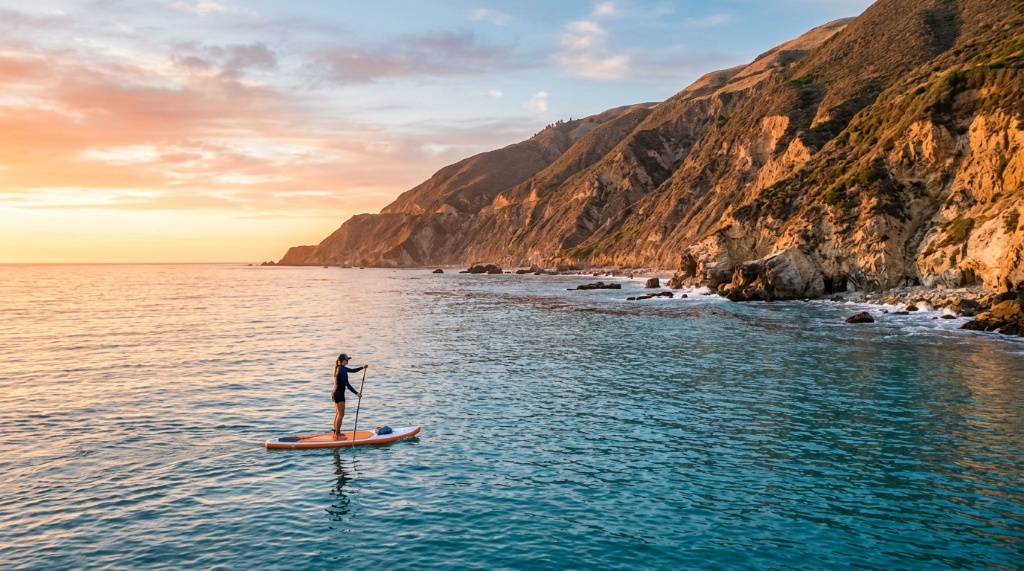
Choosing Gear That Actually Fits the Paddler
Gear choice affects comfort more than most beginners expect, especially on longer scenic routes. Two factors matter most: board stability and paddle fit.
An adjustable paddle lets you change length based on your height, paddling style, and whether you are standing or kneeling. That flexibility is useful for families sharing one paddle, or for paddlers still figuring out their ideal stroke. A fixed-length paddle can work well once you know your measurements, but it offers no room to adjust as your technique changes.
Board width and volume also matter. Wider boards (around 32 inches or more) are more stable but slower, which is fine for sightseeing and casual paddling. Narrower boards track better and move faster but demand more balance, so they suit paddlers with some experience.
Paddle Length Basics
For most recreational paddlers, a paddle roughly 8 to 10 inches taller than your height works for standing. If you kneel or sit, you will want it longer. This is exactly why adjustable paddles are popular with beginners, since the length can shift as your posture and confidence change.
Best Time of Day and Conditions to Paddle
Early morning is the single most reliable window for calm water in California. Coastal wind typically builds through the late morning and afternoon, which creates chop and makes balance harder. Lake conditions follow a similar pattern, especially in the Sierra.
Beyond time of day, watch these three factors:
- Wind: Anything sustained above roughly 10 mph starts to affect stability and paddling effort.
- Tide: In bays and estuaries, low tide can expose mudflats and create currents near channels.
- Water temperature: Northern California water stays cold year-round, so a wetsuit or quick-dry layers help even on sunny days.
Fog is also common along the coast in summer mornings. It can burn off by mid-morning, but it reduces visibility, so bring a light and stay close to shore if it is thick, For more cold water gear tips, check out our guide on how to pick windproof surf ponchos for cold water surfing before you head out.
Safety and Rules Beginners Often Miss
California does not require a paddleboard-specific license for recreational use, but the U.S. Coast Guard treats paddleboards as vessels when used outside a designated swimming or surfing area. That means carrying a personal flotation device and, in many cases, a whistle is expected.
Other commonly overlooked points:
- Marine protected areas restrict where you can go and whether you can approach wildlife.
- Some harbors and lakes charge launch or parking fees.
- Leashes are helpful in open water but can be a hazard in moving current or near structures, so use judgment.
- Wildlife, including sea otters and seals, should never be chased or cornered.
If you are paddling somewhere new, a quick call to the local harbor office or a look at the area’s official website will clarify rules faster than guessing.
Practical Trip Planning Tips
Planning is what separates a smooth scenic paddle from a stressful one. A few habits make a real difference:
- Check the wind and tide forecast the night before and again the morning of.
- Arrive early to secure parking and launch before the wind builds.
- Bring more water than you think you need, especially in inland and desert-adjacent areas.
- Tell someone your route and expected return time.
- Start with shorter, sheltered routes and extend only as your comfort grows.
If you are renting gear, ask what is included. Many rental shops provide a paddle, leash, and PFD, but availability varies, so confirming ahead avoids surprises.
Frequently Asked Questions
Is stand-up paddleboarding hard for beginners in California?
Not on calm, sheltered water. Bays like Mission Bay and Morro Bay are forgiving for first-timers. Open ocean and windy afternoons are much harder and better left until you have more experience.
Do I need a permit to paddleboard in California?
Generally no permit is required for casual recreational paddling, but some launches, lakes, and harbors charge fees, and protected areas have their own rules. Always check the specific location before you go.
What is the best season for paddle boarding in California?
Late spring through early fall offers the most reliable weather, though mornings are best year-round. Winter paddling is possible in Southern California but requires cold-water gear and extra caution.
Should I use an adjustable or fixed paddle?
Adjustable paddles suit beginners, renters, and anyone sharing gear. Fixed paddles work well once you know your exact preferred length and want a lighter, simpler setup.
How do I avoid crowds at popular paddle spots?
Go early, ideally within an hour of sunrise, and choose weekdays when possible. Popular destinations like Emerald Bay and Mission Bay fill up quickly on summer weekends.
Conclusion
Scenic paddle boarding in California comes down to matching the right location and timing to your skill level. Sheltered bays and alpine lakes reward early risers with calm water and better views, while wind, tides, and local rules shape what is actually practical. Start with a forgiving spot, bring the right safety gear, and choose an adjustable paddle if you are still dialing in your setup. Do that, and the scenery takes care of the rest.
About Author
