
Printers remain essential for businesses, schools, and home offices despite growing digital workflows. Research shows that paper handling issues account for a significant share of printer service requests, while regular maintenance can greatly reduce unexpected downtime. Understanding why printer rollers lose grip in Chicago, IL helps prevent frequent jams and poor print performance. A reliable printer roller replacement guide also supports better maintenance before serious damage develops.
Many users blame paper quality when printing problems appear. However, worn rollers, dust, humidity, and daily use usually create the real issue. Learning the common causes helps extend printer life while reducing repair costs. This guide explains the warning signs, preventive steps, and practical solutions for restoring reliable paper feeding.
Understanding Why Printer Rollers Lose Their Grip
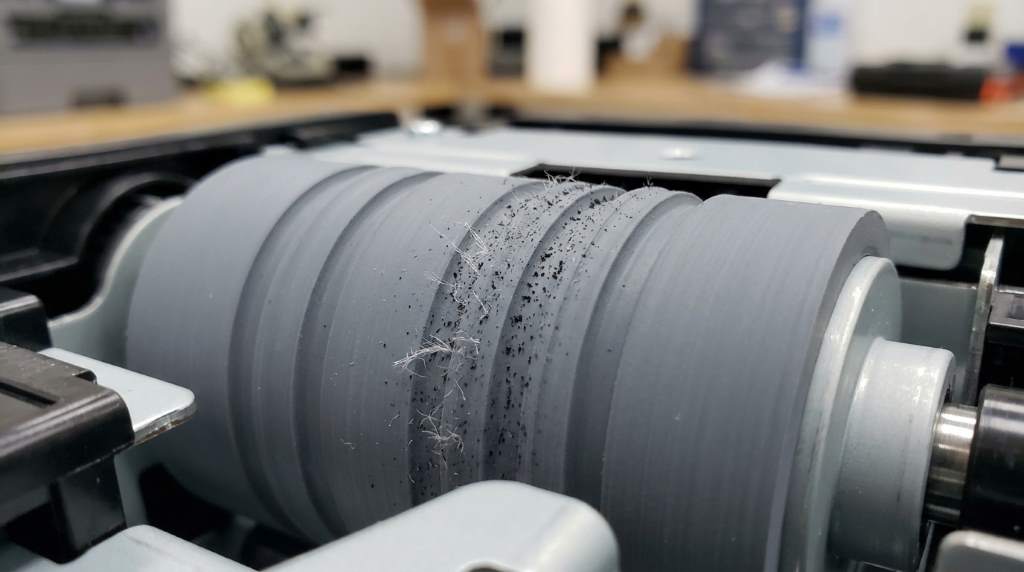
Printer rollers pull paper smoothly through the machine using textured rubber surfaces. Over time, those surfaces become polished, dirty, or damaged from continuous use. Many office managers also improve workplace efficiency after exploring great work environment practices that encourage routine equipment maintenance.
Once the roller surface loses friction, paper begins slipping instead of moving correctly. Consequently, users experience repeated jams, multiple sheet feeding, or blank pages. These problems often appear gradually before becoming severe.
How Roller Friction Works
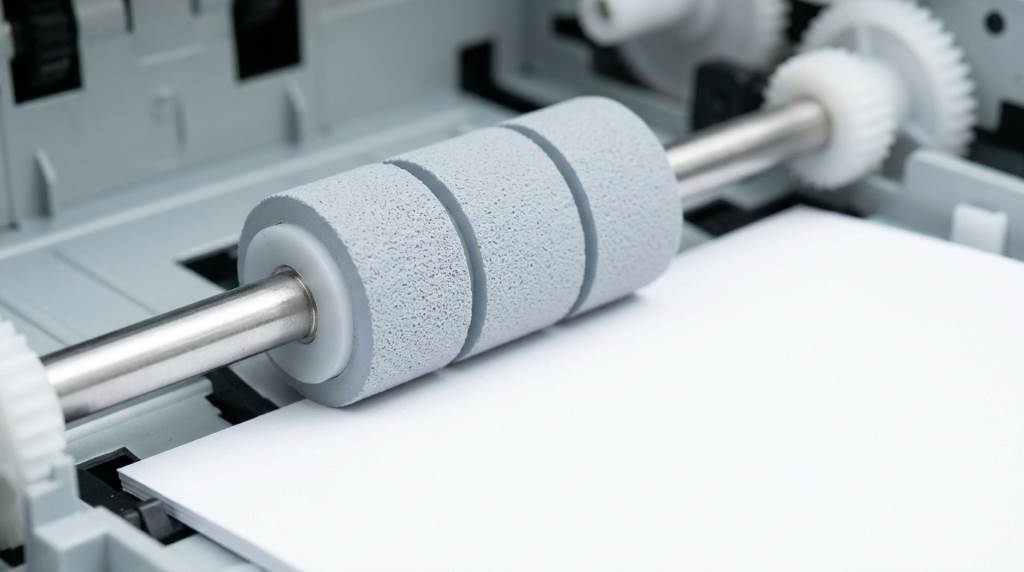
Rubber rollers create enough resistance to move individual sheets without damaging them. Clean surfaces maintain consistent contact with every page during printing. Even small amounts of contamination reduce that gripping ability.
Temperature changes also influence rubber flexibility throughout the year. Consequently, seasonal conditions sometimes affect printing performance more than expected. Regular inspection catches these changes before failures increase.
Chicago Weather Creates Extra Stress on Printer Rollers
Local weather conditions affect printers more than many users realise. Seasonal humidity changes expand and contract rubber materials over time. Continuous environmental shifts gradually reduce roller performance.
Cold winters often produce dry indoor air because heating systems remove moisture. During warmer months, humidity increases inside many buildings without proper climate control. These repeating cycles accelerate rubber ageing.
Humidity and Moisture Effects
High humidity softens rubber while encouraging paper to absorb moisture. Damp paper creates additional resistance inside the printer during feeding. Eventually, rollers struggle to maintain proper traction.
Low humidity creates static electricity that causes paper sticking. Consequently, multiple sheets may enter simultaneously instead of feeding individually. Both conditions increase roller wear.
Common Reasons Printer Rollers Lose Grip
Several everyday factors shorten roller lifespan much faster than expected. Office layouts also influence equipment care, and thoughtful real estate office design ideas often include cleaner, organised printing stations that reduce dust exposure.
- Dust accumulation from everyday office activity.
- Paper coating residue building on roller surfaces.
- Natural rubber ageing from extended operation.
- Continuous high volume printing.
- Poor quality paper producing excess debris.
- Long periods without maintenance.
Each factor reduces surface friction while increasing feeding problems. Therefore, regular cleaning becomes one of the simplest preventive measures. Small maintenance efforts often prevent expensive repairs later.
Dust and Toner Residue
Dust settles naturally inside printers during daily operation. Toner particles also collect around paper paths after extended printing sessions. Together, they create slippery roller surfaces.
Cleaning with approved materials restores much of the original grip. However, aggressive chemicals may damage rubber permanently. Always follow manufacturer recommendations during maintenance.
Warning Signs Before Complete Roller Failure
Most printers provide early symptoms before rollers completely fail. Businesses preparing for events often depend on reliable equipment, making planning resources like hosting an office party useful alongside preventive maintenance schedules for uninterrupted document printing.
Recognising these symptoms early reduces downtime significantly. Quick action also prevents additional internal component wear. Small issues rarely remain small without attention.
- Frequent paper jams.
- Multiple pages feeding together.
- Paper stopping halfway.
- Repeated misfeeds.
- Unusual squeaking sounds.
- Visible smooth roller surfaces.
Visual Inspection Tips
Look closely at the roller surface using adequate lighting. Healthy rubber appears slightly textured rather than glossy. Cracks, flattening, or polished sections indicate excessive wear.
Rotate accessible rollers gently while checking their condition. Consistent texture usually signals better paper feeding performance. Uneven surfaces deserve immediate attention.
How to Restore Better Roller Grip
Simple maintenance often restores acceptable performance before replacement becomes necessary. Cleaning remains the first recommended solution for most grip problems. Always disconnect power before servicing any printer.
Use lint free cloths with approved cleaning solutions only. Remove dust, toner residue, and paper fibres carefully from every accessible roller. Allow complete drying before printing again.
Cleaning Best Practices
- Turn the printer off first.
- Disconnect the power cable safely.
- Use manufacturer approved cleaning fluid.
- Rotate rollers during cleaning.
- Allow surfaces to dry completely.
- Test printing with fresh paper.
Never soak rollers with excessive liquid during cleaning. Excess moisture may damage nearby electronic components. Gentle cleaning delivers better long term results.
When Roller Replacement Becomes Necessary
Cleaning cannot repair permanently worn rubber surfaces. Eventually, every printer requires replacement rollers after enough operating hours. Ignoring severe wear increases frustration and maintenance costs.
Replacement intervals vary between printer models and printing volume. Manufacturers usually provide maintenance recommendations within product documentation. Following those guidelines improves long term reliability.
Choosing Quality Replacement Rollers
Original manufacturer components generally provide the best compatibility and durability. High quality compatible parts may also perform well from trusted suppliers. Cheap replacements often wear much faster.
Installing quality rollers reduces repeated maintenance visits significantly. Better components also improve feeding consistency during large print jobs. Investing wisely saves money over time.
Maintenance Habits That Prevent Future Problems
Preventive maintenance always costs less than emergency repairs. Small monthly inspections protect both home and office printers. Consistency matters more than complicated maintenance routines.
- Store paper inside sealed packaging.
- Keep printers away from dusty areas.
- Clean rollers every few months.
- Avoid overloaded paper trays.
- Use recommended paper types.
- Inspect rollers during cartridge replacement.
These simple habits reduce wear while improving print quality. Users also experience fewer interruptions during important projects. Preventive care extends equipment lifespan considerably.
Conclusion
Printer rollers lose grip because of natural wear, environmental conditions, dust, residue, and continuous paper handling. Regular cleaning, proper storage, and timely replacement keep printers operating efficiently while preventing frustrating paper jams.
Start inspecting your printer rollers today instead of waiting for repeated feeding problems. A consistent maintenance routine protects your printer investment while delivering smoother, more reliable printing every day.
FAQs
Why do printer rollers become slippery?
Rubber surfaces become smooth from wear, dust, paper residue, and continuous use.
Can cleaning restore printer roller grip?
Yes, proper cleaning often restores grip unless the rollers have worn out permanently.
How often should printer rollers be cleaned?
Most printers benefit from roller cleaning every few months or after heavy printing.
Does humidity affect printer rollers?
Yes, changing humidity levels influence rubber flexibility and paper feeding performance.
When should printer rollers be replaced?
Replace them when cleaning no longer fixes repeated paper feeding or slipping issues.
About Author
