

Many people in Houston struggle with allergy symptoms throughout the year. According to allergy research, millions of Americans experience indoor allergy triggers daily. Additionally, dust mites remain one of the most common causes of indoor allergic reactions. A dirty bed often becomes a hidden source of sneezing, congestion, and itchy eyes. For this reason, many homeowners choose to vacuum mattress for allergens as part of their regular cleaning routine. Understanding why beds worsen allergies can help families create a healthier sleeping environment.
Why Beds Become Allergy Hotspots
Your bed collects more than visible dust. Every night, people shed skin flakes, sweat, hair, and microscopic debris. As a result, mattresses and bedding create an ideal environment for allergens. Over time, these particles build up and affect indoor air quality.
Houston’s warm and humid climate makes the situation even worse. Moisture supports the growth of dust mites and mold spores. Consequently, allergens multiply faster than they would in drier regions. Many residents experience stronger symptoms without realizing their bed contributes to the problem.
Even clean-looking sheets can hide thousands of microscopic particles. Furthermore, pillows and mattresses trap allergens deep within their fibers. Regular vacuuming and washing help reduce buildup. However, many people overlook these important maintenance tasks.
How Houston’s Climate Makes Allergies Worse
Houston experiences high humidity during much of the year. This moisture encourages allergen growth inside homes. Therefore, bedrooms often become concentrated allergy zones. Sensitive individuals may notice symptoms immediately after waking.
Humidity levels above fifty percent create favorable conditions for dust mites. In addition, moisture allows mold spores to thrive in hidden areas. Bedrooms with poor airflow face an even greater risk. As a result, allergen levels can increase rapidly.
Many homeowners focus on outdoor pollen exposure. However, indoor allergens often remain active twenty four hours a day. Since people spend many hours sleeping, exposure becomes prolonged. Consequently, symptoms may worsen over time.
Seasonal Effects in Houston Homes
Spring and fall often bring heavy pollen activity. Yet pollen does not stay outside. It enters homes through open doors, windows, clothing, and pets. Eventually, these particles settle directly onto beds and bedding.
Summer humidity creates another challenge for allergy sufferers. Moisture combines with dust and organic debris. Therefore, allergen populations grow faster. Many people mistake these symptoms for seasonal illnesses.
The Hidden Role of Dust Mites
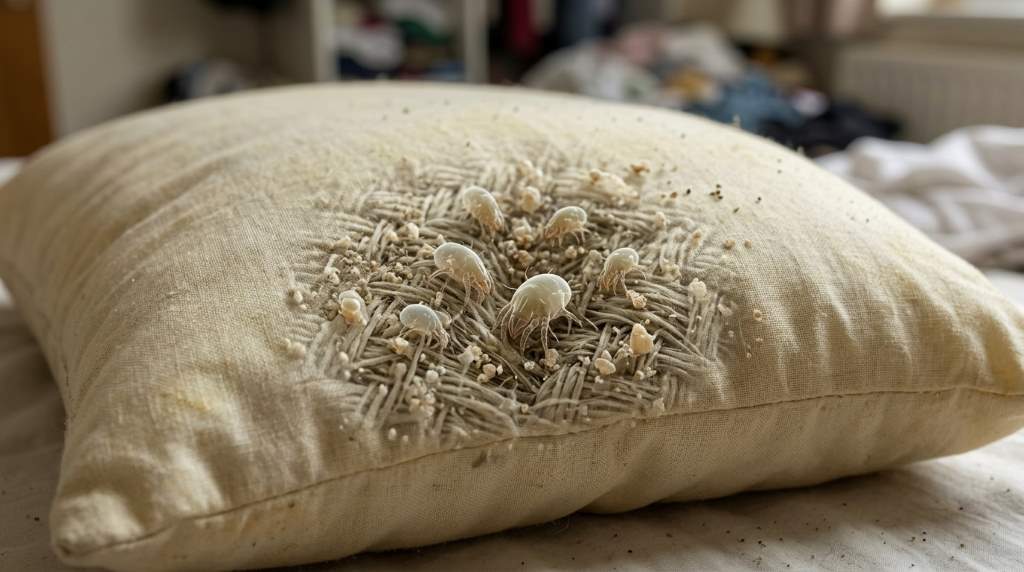
Dust mites rank among the leading causes of indoor allergies. These microscopic creatures feed on dead skin cells. Because mattresses provide food and shelter, mites thrive inside bedding materials. Their waste particles often trigger allergic reactions.
People cannot see dust mites without magnification. Nevertheless, their presence affects indoor health significantly. Sneezing, watery eyes, coughing, and congestion commonly result from exposure. Therefore, reducing mite populations becomes essential.
Regular cleaning interrupts the conditions dust mites need. Washing bedding in hot water helps eliminate many allergens. Additionally, mattress vacuuming removes accumulated debris. Consistent maintenance creates noticeable improvements for many households.
An Overlooked Mattress Problem
Most allergy articles discuss sheets and pillowcases. However, the mattress itself often receives little attention. Over several years, mattresses absorb large amounts of skin particles and dust. Consequently, they become long term allergen reservoirs.
This issue becomes more serious in humid cities like Houston. Moisture penetrates mattress layers and supports allergen survival. Therefore, even freshly washed sheets may not solve allergy problems completely. The mattress requires attention as well.
How Dirty Pillows Affect Breathing
Pillows stay close to the nose and mouth for several hours each night. Because of this proximity, allergen exposure becomes direct and continuous. Dust mites, pollen, and mold particles collect inside pillow fillings. As a result, respiratory symptoms often intensify during sleep.
Replacing old pillows helps reduce allergen accumulation. Furthermore, washable pillow protectors provide an additional barrier. These simple steps support better indoor air quality. Consequently, many allergy sufferers experience improved comfort.
People frequently overlook pillow maintenance schedules. Yet pillows absorb sweat and airborne particles daily. Therefore, regular cleaning remains essential. Small changes can create meaningful health benefits.
Bedroom Design Can Influence Allergy Levels
The design of a bedroom affects dust accumulation. Decorative fabrics, rugs, and upholstered furniture trap allergens easily. Therefore, careful design choices can support a cleaner environment. Functional spaces often remain easier to maintain.
Color schemes and room organization also influence comfort. Many homeowners exploring best colors for bedrooms often discover that brighter, cleaner spaces encourage better maintenance habits. As a result, residents may clean more consistently. Cleaner rooms generally support lower allergen levels.
Bedroom aesthetics matter for more than appearance. A clutter free environment reduces surfaces where dust settles. Additionally, cleaning becomes faster and more effective. Therefore, thoughtful design contributes indirectly to allergy management.
The Surprising Connection Between Clutter and Allergies
Many people focus only on bedding cleanliness. However, surrounding clutter also influences allergen exposure. Books, boxes, clothing piles, and decorative items collect dust continuously. Consequently, allergens spread throughout the room.
Bedrooms designed around simplicity often remain easier to clean. Homeowners interested in aesthetic bedroom decor can benefit from layouts that reduce unnecessary dust collecting surfaces. Therefore, cleaning routines become more manageable. Consistent maintenance supports healthier indoor conditions.
Reducing clutter lowers dust reservoirs throughout the bedroom. Furthermore, vacuuming becomes more thorough and efficient. This approach complements regular mattress care. Together, these habits reduce overall allergen exposure.
A Rarely Discussed Cause of Bed Related Allergies
Most blogs discuss dust mites and mold. However, few mention humidity pockets created beneath mattresses. When mattresses sit on poorly ventilated foundations, trapped moisture develops underneath. Consequently, hidden allergen growth may occur.
This problem appears more frequently in humid cities. Moisture becomes trapped between surfaces for extended periods. As a result, mold spores may develop unnoticed. Many homeowners never inspect these hidden areas.
Improving airflow beneath the bed helps reduce moisture accumulation. Additionally, periodic mattress rotation exposes hidden surfaces to air circulation. These simple practices support a healthier sleeping environment. Therefore, they deserve greater attention.
Storage Habits That Increase Bedroom Allergens
Many Houston residents use bedrooms for extra storage. Unfortunately, stored items often collect dust and moisture. Therefore, allergen levels gradually increase. The problem becomes worse in confined spaces.
Closets packed with clothing restrict airflow. In addition, overcrowded storage areas trap humidity. Homeowners learning maximise wardrobe space often discover that better organization improves cleanliness as well. Consequently, bedrooms become easier to maintain.
Reducing unnecessary storage in sleeping areas provides several benefits. Dust accumulation decreases significantly. Furthermore, air circulation improves throughout the room. These factors help support allergy control efforts.
Signs Your Bed May Be Worsening Allergies
Several symptoms suggest your bed contributes to allergy issues. Morning congestion often serves as an important warning sign. Additionally, itchy eyes upon waking indicate possible allergen exposure. Persistent symptoms deserve attention.
- Frequent sneezing after waking
- Morning nasal congestion
- Itchy or watery eyes
- Nighttime coughing
- Persistent throat irritation
- Interrupted sleep quality
If symptoms improve away from home, your bedroom may be involved. Therefore, inspecting bedding and mattresses becomes important. Identifying the source helps guide effective solutions. Early action prevents further buildup.
Practical Ways to Reduce Bed Allergens
Consistent cleaning remains the most effective strategy. Regular maintenance prevents allergen accumulation before it becomes severe. Therefore, homeowners should establish a simple routine. Small efforts often produce meaningful results.
- Wash sheets weekly in hot water
- Vacuum mattresses regularly
- Use allergen resistant covers
- Replace old pillows when needed
- Control indoor humidity levels
- Reduce bedroom clutter
- Clean beneath the bed frequently
Air purifiers can provide additional support. Moreover, dehumidifiers help maintain healthy moisture levels. Together, these tools reduce favorable conditions for allergens. Consequently, bedrooms become more comfortable.
Why Professional Mattress Cleaning Helps
Household cleaning removes many surface allergens. However, deeper contamination often remains inside mattress layers. Professional cleaning reaches areas regular tools cannot access. Therefore, it offers additional benefits.
Experts use specialized equipment to extract embedded debris. Furthermore, deep cleaning removes accumulated particles from older mattresses. This process improves overall cleanliness. As a result, allergy sufferers may experience relief.
Professional services work best alongside routine maintenance. They do not replace regular cleaning habits. Instead, they support long term allergen control. Consistency remains the key factor.
Conclusion
Dirty beds often play a larger role in allergies than many people realize. Houston’s humidity creates ideal conditions for dust mites, mold, and trapped allergens. Therefore, regular mattress and bedding maintenance becomes essential for better health. By controlling moisture, reducing clutter, and cleaning consistently, homeowners can create a healthier sleeping environment. Start inspecting your bed today and build a cleaning routine that supports cleaner air, better sleep, and fewer allergy symptoms.
FAQs
Can a dirty mattress cause allergy symptoms?
Yes, mattresses can collect dust mites, mold spores, and allergens that trigger symptoms.
How often should bedding be washed for allergy control?
Most experts recommend washing sheets weekly in hot water.
Does Houston humidity increase dust mite activity?
Yes, high humidity creates favorable conditions for dust mite growth.
Can pillows worsen indoor allergies?
Yes, old pillows often trap allergens that affect breathing during sleep.
Should I vacuum my mattress regularly?
Yes, regular vacuuming helps remove dust, skin particles, and allergen buildup.
About Author
