
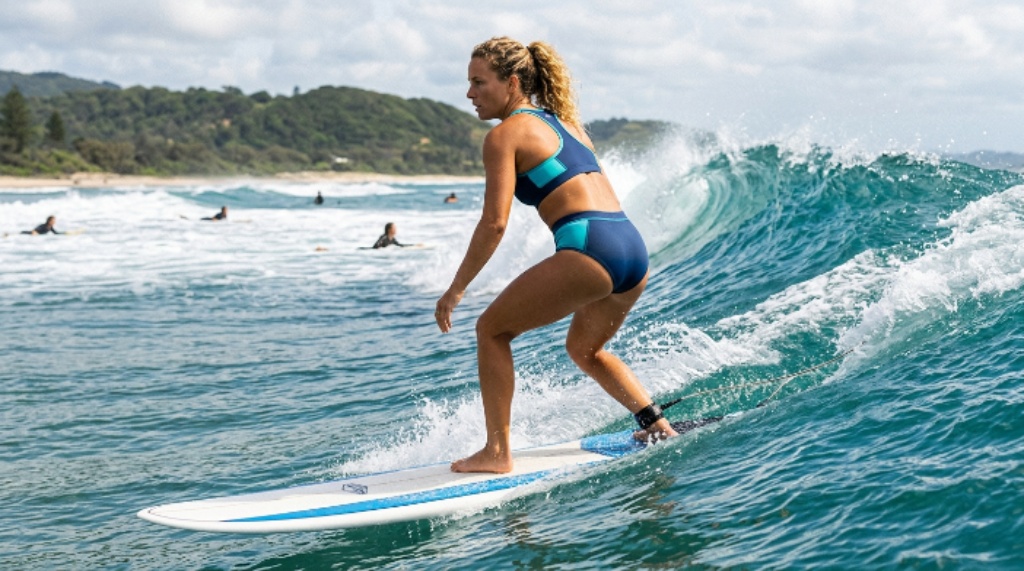
Surfing demands more from your swimwear than a casual beach day. Waves pull, currents shift, and every movement matters. Therefore, choosing the right bikini is not just about style—it is about function, comfort, and reliability.
In this guide, you will learn how to pick a non-slip surf bikini that stays in place and supports your performance in the water.
Why a Non-Slip Surf Bikini Matters
A regular bikini may look great, but it often fails under pressure. Strong waves can shift fabric, loosen straps, and create distractions. However, a well-designed surf bikini stays secure during duck dives, wipeouts, and long paddling sessions.
Additionally, a non-slip bikini improves confidence. When you feel secure, you can focus fully on your technique and balance instead of adjusting your outfit.
Understanding Fit and Support
The first step in choosing the right bikini is finding a proper fit. Without it, even the best design will not perform well.
Snug but Comfortable Fit
A surf bikini should feel snug but not restrictive. If it is too loose, it will shift in waves. On the other hand, if it is too tight, it can cause discomfort and limit movement.
Look for:
- Firm elastic bands
- Adjustable straps
- Compression-style fabric
Additionally, always test movement. Stretch, twist, and simulate paddling motions before buying.
Top Styles That Stay in Place
Different top designs offer varying levels of support. Some are better suited for active surfing.
Popular options include:
- High-neck tops for maximum coverage
- Racerback styles for strong support
- Under-bust bands for added stability
However, triangle bikinis often lack the structure needed for surfing.
Choosing the Right Bottom Design
Bottoms are just as important as tops when it comes to performance.
Secure Waistbands
A wide waistband helps keep the bikini in place. Thin bands tend to roll or slip under pressure.
Additionally, high-waisted designs offer more grip and coverage, which is useful in rough conditions.
Coverage Level
Minimal coverage may look stylish, but it is not ideal for surfing. Therefore, choose moderate to full coverage bottoms.
Benefits include:
- Better hold during wipeouts
- Reduced risk of shifting
- More comfort while paddling
Fabric Matters More Than You Think
Not all swimwear fabrics are created equal. The right material can make a big difference.
Look for High-Quality Stretch Fabric
Choose fabrics that combine:
- Nylon or polyester
- Spandex or elastane
These materials offer flexibility and durability. Additionally, they help the bikini retain its shape after repeated use.
Quick-Drying and Chlorine Resistant
Quick-drying fabric prevents discomfort after leaving the water. Moreover, chlorine-resistant material extends the life of your bikini if you train in pools.
Importance of Grip Technology
Modern surf bikinis often include grip features that prevent slipping.
Silicone or Rubber Lining
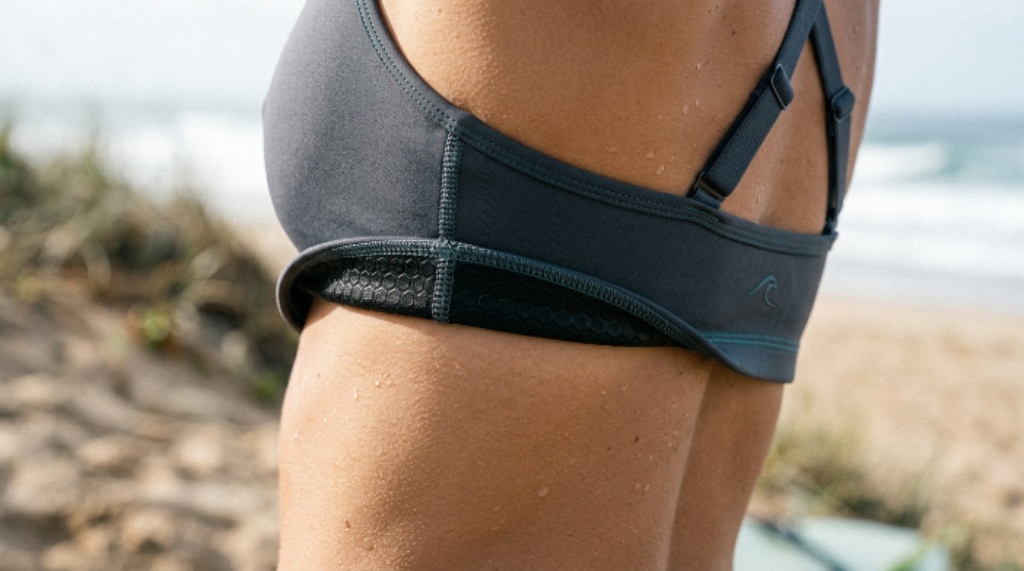
Many high-performance bikinis have thin silicone strips along the edges. These create friction against the skin.
Therefore, the bikini stays in place even during strong wave action.
Double-Layer Construction
Double-layered fabric adds structure and reduces transparency. Additionally, it enhances durability.
Strap and Closure Systems
Straps play a key role in keeping everything secure.
Adjustable Straps
Adjustable straps allow you to customize the fit. This is important because body shapes vary.
Look for:
- Strong stitching
- Durable adjusters
- No-slip sliders
Secure Closures
Avoid weak ties or thin strings. Instead, choose:
- Clip closures
- Reinforced ties
- Fixed designs
However, fixed designs often provide the most stability for serious surfers.
Testing Durability and Performance
Before making a final choice, consider how the bikini performs under stress.
Movement Test
Try simple movements like:
- Jumping
- Stretching
- Twisting
If the bikini shifts, it may not be suitable for surfing.
Water Test
If possible, test it in water. Pools or calm seas can help you check fit and grip.
Additionally, observe how the fabric behaves when wet.
Style vs Function: Finding Balance
Style matters, but performance should come first.
Choosing Colors and Patterns
Darker colors tend to hide wear and stains. Bright colors, however, improve visibility in the water.
Therefore, choose based on your priorities.
Minimal Decorations
Avoid heavy embellishments like beads or metal pieces. These can cause discomfort and may break in strong waves.
Seasonal and Environmental Considerations
Your surfing environment also affects your choice.
Cold Water Surfing
In colder conditions, consider thicker fabric or layering with a wetsuit.
Additionally, look for thermal-lined options for extra warmth.
Tropical Conditions
In warm climates, lightweight and breathable fabrics work best. Quick-drying materials are especially useful.
Budget vs Quality
Price often reflects quality, but not always.
Investing in Quality
A good surf bikini may cost more, but it lasts longer. Additionally, it performs better under stress.
Avoiding Cheap Alternatives
Low-cost bikinis often lack:
- Strong stitching
- Durable fabric
- Proper fit
Therefore, they may fail quickly in surf conditions.
Care and Maintenance Tips
Proper care extends the life of your bikini.
After Each Use
- Rinse with fresh water
- Avoid wringing the fabric
- Air dry in shade
Storage Tips
Store in a cool, dry place. Additionally, avoid folding in ways that stress the elastic.
Common Mistakes to Avoid
Many surfers make simple mistakes when choosing swimwear.
Avoid:
- Buying based only on looks
- Ignoring fit and support
- Choosing weak materials
- Skipping movement tests
However, taking time to evaluate these factors ensures better performance and comfort.
Final Thoughts on Performance Swimwear
Choosing the right bikini can transform your surfing experience. A secure fit, strong fabric, and thoughtful design all work together to keep you focused on the waves.
Additionally, following practical advice like secure surf wear tips can help you make smarter decisions. When combined with high-quality wave-resistant swimsuits, your performance and confidence will improve significantly.
Conclusion
A non-slip surf bikini is essential for anyone serious about surfing. It provides stability, comfort, and freedom of movement. By focusing on fit, fabric, design, and durability, you can find a bikini that performs well in all conditions.
Therefore, take your time, test your options, and invest in quality. The right choice will not only enhance your performance but also make every surf session more enjoyable.
FAQs
1. What makes a bikini suitable for surfing?
A surf bikini has a secure fit, strong fabric, and features like grip lining to prevent slipping in waves.
2. Are string bikinis good for surfing?
No, they usually lack support and can come loose easily in strong water conditions.
3. How tight should a surf bikini be?
It should feel snug without restricting movement. It should stay in place during active motion.
4. Can I use a regular bikini for surfing?
You can, but it may not perform well. Surf-specific bikinis offer better support and durability.
5. How long does a surf bikini last?
With proper care, a high-quality bikini can last multiple seasons, even with frequent use.
Related Topics:
best tips to football for children
What Are the Five Outdoor Activities?
About Author
