
Delayed gear shifting can turn your daily commute into a frustrating experience. When your vehicle hesitates before changing gears, it signals that something needs attention. Understanding the root causes of this problem helps you address it quickly and safely.
Many drivers experience this issue at some point. The transmission might pause for a few seconds before engaging the next gear. Sometimes, the delay happens when accelerating from a stop. Other times, it occurs during highway driving. Regardless of when it happens, delayed shifting requires immediate attention to prevent further damage.
Understanding Your Vehicle’s Transmission System
Your transmission serves as the bridge between your engine and wheels. It manages power distribution and ensures smooth gear changes. Modern vehicles use either automatic or manual transmissions, though automatic systems are more common today.
Automatic transmissions rely on complex hydraulic systems and electronic controls. These components work together to determine the perfect moment for shifting gears. When any part of this system fails, delays can occur. Manual transmissions, however, depend more on mechanical linkages and driver input.
Common Causes of Delayed Gear Shifting
Several factors contribute to gear shifting delays. Identifying the specific cause helps you find the right solution. Therefore, understanding these common culprits is essential for effective troubleshooting.
Low Transmission Fluid Levels
Transmission fluid serves multiple purposes in your vehicle. It lubricates moving parts, cools the system, and enables hydraulic pressure for gear changes. Low fluid levels disrupt these functions and cause delayed shifting.
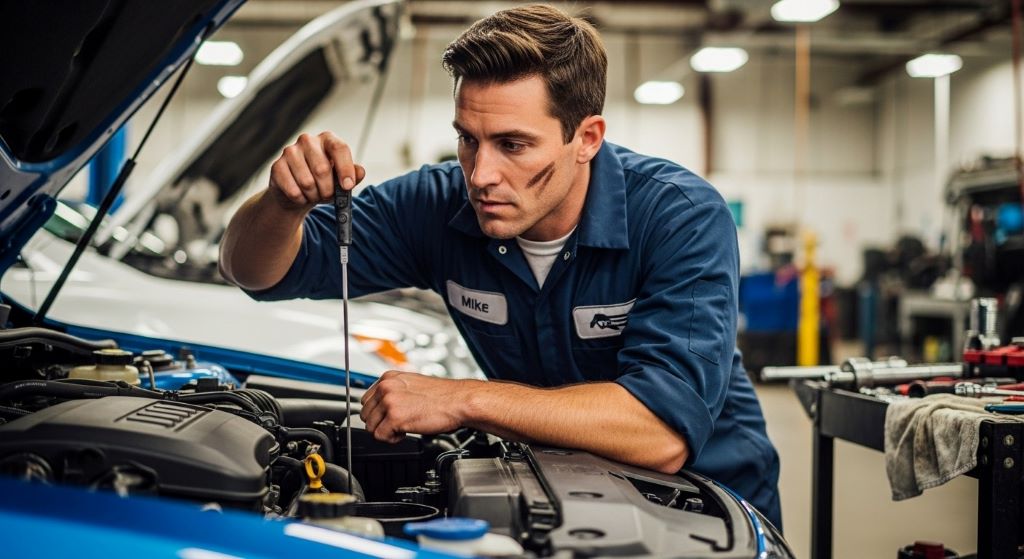
Check your transmission fluid regularly using the dipstick. The fluid should appear bright red or pink and smell slightly sweet. Dark, burnt-smelling fluid indicates a problem. Additionally, look for leaks under your parked vehicle, as they suggest fluid loss.
Worn Transmission Components
Over time, internal transmission parts wear down from constant use. Clutch plates, bands, and gears deteriorate gradually. This wear reduces the system’s ability to engage gears promptly.
High mileage vehicles are particularly susceptible to component wear. However, aggressive driving habits can accelerate this deterioration. Regular maintenance extends component life and prevents premature failure.
Faulty Solenoids and Sensors
Modern transmissions use electronic solenoids to control fluid flow and gear changes. These electromagnetic valves open and close based on signals from various sensors. When solenoids malfunction, they cannot direct fluid properly, resulting in delayed shifts.
Sensors monitor factors like vehicle speed, throttle position, and engine load. The transmission control module uses this data to determine optimal shift points. Faulty sensors provide incorrect information, causing the system to delay gear changes unnecessarily.
Clogged Transmission Filter
The transmission filter removes debris and contaminants from the fluid. Over time, this filter becomes clogged with particles and sludge. A blocked filter restricts fluid flow, which slows down the shifting process.
Most manufacturers recommend changing the transmission filter every 30,000 to 60,000 miles. Neglecting this maintenance allows buildup to accumulate. Consequently, your transmission struggles to function efficiently.
Software and Electronic Issues
Computer-controlled transmissions depend on software to manage shifting patterns. Outdated or corrupted software can cause erratic behavior, including delayed shifts. Similarly, electrical problems in the wiring harness disrupt communication between components.
Modern vehicles receive software updates from manufacturers to improve performance. These updates often address known transmission issues. Therefore, keeping your vehicle’s software current is important for optimal operation.
Step-by-Step Troubleshooting Process
Diagnosing delayed gear shifting requires a systematic approach. Following these steps helps you identify the problem accurately and efficiently.
Check Transmission Fluid
Start by examining the transmission fluid level and condition. Park your vehicle on level ground and let the engine run for a few minutes. Pull out the transmission dipstick, wipe it clean, and reinsert it completely. Remove it again to check the level.
The fluid should fall between the minimum and maximum marks. If it appears low, add the manufacturer-recommended fluid type. However, remember that simply topping off the fluid might not solve underlying problems. According to Consumer Reports, regular transmission service is crucial for preventing major issues.
Scan for Error Codes
Modern vehicles store diagnostic trouble codes when problems occur. Use an OBD-II scanner to retrieve these codes from your vehicle’s computer. Many auto parts stores offer free code scanning services.
Error codes provide valuable clues about specific malfunctions. Transmission-related codes typically start with the letter P followed by four digits. Research these codes to understand what they indicate. Nevertheless, codes point to problem areas rather than definitive diagnoses.

Inspect for Leaks
Examine the ground beneath your parked vehicle for fluid spots. Transmission fluid appears reddish and feels slippery between your fingers. Common leak points include the pan gasket, cooler lines, and seals.
Small leaks can worsen over time if left unaddressed. They also contribute to low fluid levels, which exacerbate shifting delays. Therefore, repairing leaks promptly prevents additional complications.
Test Drive Your Vehicle
Take your vehicle for a test drive to observe shifting behavior under different conditions. Pay attention to when delays occur most frequently. Note whether the problem happens during cold starts, after warming up, or at specific speeds.
Accelerate gently and then more aggressively to see how the transmission responds. Observe whether the delay is consistent or intermittent. These observations help mechanics diagnose the issue more quickly.
Consult Professional Diagnostics
If basic troubleshooting does not reveal the cause, professional help becomes necessary. Transmission specialists have advanced diagnostic equipment and expertise. They can perform pressure tests, inspect internal components, and identify electronic faults.
Professional diagnostics might cost money upfront. However, accurate diagnosis saves you from unnecessary repairs and prevents further damage. Additionally, specialists can advise whether repair or replacement makes more financial sense.
Preventive Maintenance Tips
Preventing delayed gear shifting is easier than fixing it. Regular maintenance keeps your transmission healthy and extends its lifespan significantly.
Service your transmission according to the manufacturer’s recommended schedule. Most vehicles need fluid changes every 30,000 to 100,000 miles, depending on driving conditions. Severe conditions like frequent towing or city driving require more frequent service.
Use only the transmission fluid type specified in your owner’s manual. Different fluids have varying properties and additives. Using the wrong type can damage your transmission over time.
Avoid aggressive driving behaviors that stress the transmission. Sudden acceleration, hard braking, and rapid gear changes create unnecessary wear. Smooth, gradual inputs extend component life.
Allow your engine to warm up briefly before driving, especially in cold weather. Cold transmission fluid is thicker and flows less efficiently. A short warm-up period improves fluid circulation and reduces stress on components. The National Highway Traffic Safety Administration provides valuable safety information about transmission maintenance and recall alerts.
When to Seek Immediate Professional Help
Certain symptoms indicate serious transmission problems requiring immediate attention. Ignoring these signs can lead to complete transmission failure and expensive repairs.
Seek professional help immediately if you notice grinding noises during gear changes. This sound suggests severe internal damage to gears or clutch plates. Similarly, if your transmission slips out of gear unexpectedly, stop driving and call for service.
Burning smells coming from under your vehicle indicate overheating transmission fluid. Overheating causes fluid to break down and lose its protective properties. Continuing to drive risks catastrophic transmission failure.
If your vehicle refuses to shift into certain gears or remains stuck in one gear, do not force it. These symptoms suggest major mechanical or electronic failures. Attempting to drive could cause additional damage to other drivetrain components.
Conclusion
Delayed gear shifting issues stem from various causes, ranging from simple fluid problems to complex electronic failures. Understanding these causes empowers you to troubleshoot effectively and make informed decisions. Regular maintenance, proper fluid levels, and timely repairs prevent most transmission problems.
Start troubleshooting by checking transmission fluid and scanning for error codes. Inspect for leaks and observe shifting behavior during test drives. However, do not hesitate to seek professional help for persistent or severe issues. Early intervention saves money and prevents complete transmission failure.
Maintaining your vehicle’s transmission ensures smooth gear changes and reliable performance. Therefore, prioritize transmission health through regular service and careful driving habits. Your diligence pays off with years of trouble-free driving and avoided repair costs.
Frequently Asked Questions
What causes delayed shifting from park to drive?
Low transmission fluid is the most common cause of delayed engagement when shifting from park to drive. Worn clutch packs, faulty shift solenoids, or a weak transmission pump can also create this delay. Have the fluid level checked first, then consult a mechanic if the problem persists.
How much does it cost to fix delayed gear shifting?
Repair costs vary widely depending on the underlying cause. Simple fixes like fluid changes cost between 100 to 250 dollars. However, solenoid replacement ranges from 300 to 900 dollars, while major transmission repairs or rebuilds can exceed 2,500 dollars. Professional diagnosis determines the exact cost.
Can I drive with delayed gear shifting?
Driving with delayed shifting is not recommended, though short trips to a repair shop are usually safe. Continued driving risks further transmission damage and potential safety hazards. The problem typically worsens over time, leading to more expensive repairs if ignored.
How often should I change transmission fluid?
Most manufacturers recommend transmission fluid changes every 30,000 to 60,000 miles for severe driving conditions, or 60,000 to 100,000 miles for normal driving. Check your owner’s manual for specific intervals. Regular fluid changes prevent many shifting problems and extend transmission life.
Is delayed shifting covered under warranty?
Coverage depends on your specific warranty terms and the vehicle’s age or mileage. Factory powertrain warranties typically cover transmission issues for 5 years or 60,000 miles. Extended warranties vary by provider. Review your warranty documentation or contact your dealer to confirm coverage.
Related Topics:
How drivers can save money on their motoring
About Author
