
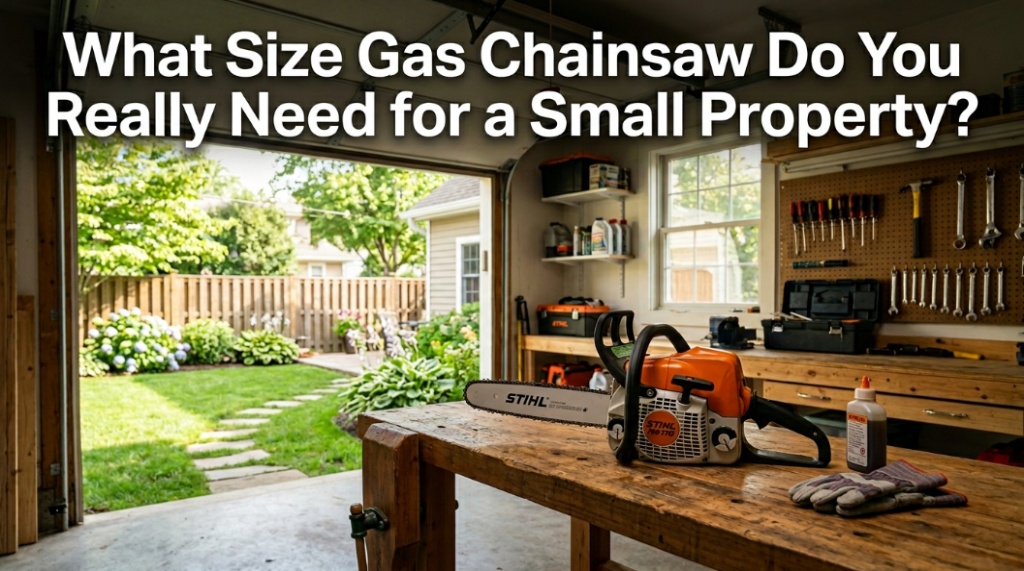
Most homeowners buy a chainsaw the same way people buy luggage for a weekend trip—they choose something much larger than they’ll ever need. For a typical small property, a backyard chainsaw with a 14- to 18-inch bar is the right size for handling fallen branches, firewood cutting, storm cleanup, and pruning trees safely and efficiently. Going larger often adds unnecessary weight, fuel consumption, and fatigue without improving productivity.
If you own a small residential lot, choosing the wrong chainsaw size can turn simple yard work into a frustrating experience. A chainsaw that is too small struggles with thicker wood, while an oversized model becomes harder to control and increases operator fatigue. Many homeowners assume bigger means better, only to discover that a professional-grade saw is cumbersome for routine maintenance. Understanding the correct size helps you work faster, safer, and with greater precision. This guide explains exactly what size gas chainsaw works best for small properties, how bar length affects performance, and which features matter most when selecting a reliable residential chainsaw.
What Size Gas Chainsaw Is Best for a Small Property?
For most small properties, a gas chainsaw with a 14- to 18-inch guide bar and an engine between 30cc and 45cc provides the ideal balance of cutting power, maneuverability, and safety.
Small residential properties typically require occasional tree trimming, branch removal, storm debris cleanup, and cutting moderate firewood. These tasks rarely involve trunks larger than 12 to 16 inches in diameter.
A properly sized residential chainsaw allows homeowners to:
- Cut fallen branches efficiently
- Handle seasonal yard maintenance
- Trim small and medium trees
- Prepare firewood for home use
- Clear storm damage safely
- Work longer with less fatigue
Homeowners who want additional guidance on maintaining healthy outdoor spaces should also review these practical garden care and landscaping strategies, which complement routine tree and yard maintenance.
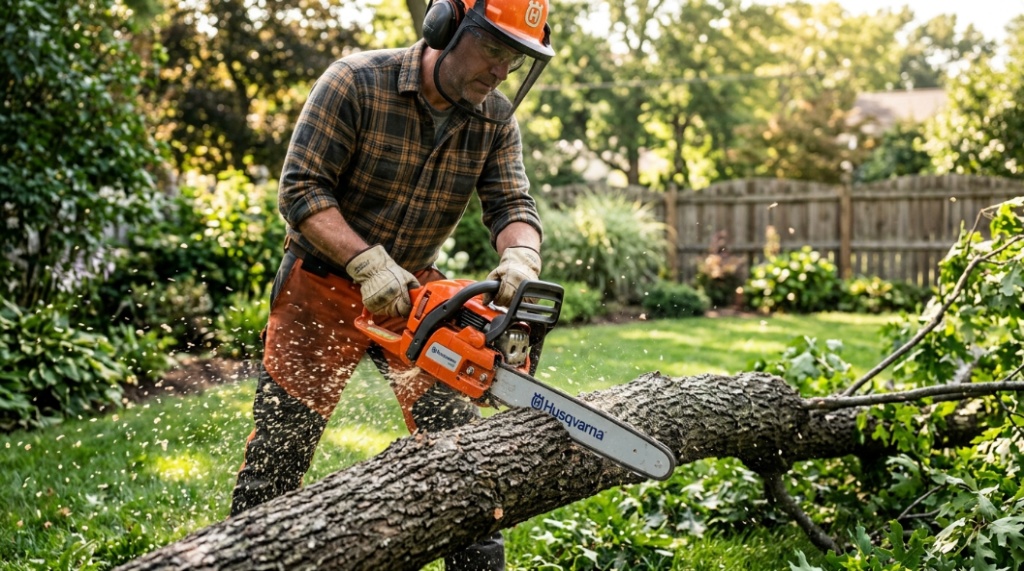
According to safety guidance published by forestry and outdoor equipment organizations, lighter chainsaws are generally easier for occasional users to control and often reduce operator strain during extended cutting sessions.
How Does Chainsaw Bar Length Affect Performance?
Bar length determines the maximum wood diameter a chainsaw can cut comfortably and influences overall handling characteristics.
The guide bar is the metal blade around which the chain rotates. Longer bars can cut larger logs, but they also increase weight and require more engine power.
| Bar Length | Best Use | Property Type | User Level |
|---|---|---|---|
| 10–12 inches | Light pruning | Small gardens | Beginner |
| 14 inches | Branch removal, trimming | Small yards | Beginner to Intermediate |
| 16 inches | General property maintenance | Small to medium lots | Most homeowners |
| 18 inches | Firewood and storm cleanup | Larger residential lots | Intermediate |
| 20+ inches | Large tree felling | Rural acreage | Experienced users |
For most homeowners, a 16-inch bar represents the sweet spot. It is long enough to tackle common cutting tasks while remaining manageable for routine use.
Do You Need a Large Gas Chainsaw for Backyard Tree Maintenance?
No. Most backyard maintenance jobs can be completed effectively with a 14- to 18-inch chainsaw.
Residential landscapes usually contain ornamental trees, fruit trees, shrubs, and moderate-sized shade trees. These rarely require professional logging equipment.
Common backyard jobs include:
- Removing broken limbs after storms
- Pruning overgrown branches
- Cutting deadwood
- Clearing brush piles
- Preparing firewood from fallen trees
- Removing small tree trunks
Many homeowners mistakenly purchase a 20-inch or larger chainsaw expecting greater versatility. In reality, extra weight often reduces accuracy when pruning trees and increases physical strain.
For backyard work, maneuverability frequently matters more than maximum cutting capacity.
What Engine Size Should a Residential Chainsaw Have?
An engine displacement between 30cc and 45cc is sufficient for most small-property applications.
Engine displacement measures the volume inside the engine cylinder and directly influences power output.
General recommendations include:
- 25cc–35cc: Light pruning and branch cutting
- 35cc–40cc: General residential maintenance
- 40cc–45cc: Firewood and larger branch removal
- 50cc+: Heavy-duty cutting and tree felling
Property owners interested in creating healthier outdoor environments may also benefit from these tips on supporting wildlife habitats in residential gardens while planning tree management and seasonal pruning.
For a typical suburban property, a 38cc to 42cc engine paired with a 16-inch bar offers enough power for nearly every maintenance task without excessive fuel consumption.
Is a 16-Inch Chainsaw Enough for Most Homeowners?
Yes. A 16-inch gas chainsaw is often the most versatile choice for residential use.
One reason many equipment experts recommend 16-inch models is their ability to handle a wide range of tasks.
A quality 16-inch chainsaw can:
- Cut branches up to several inches thick
- Process moderate firewood loads
- Remove small trees
- Clear storm debris
- Trim landscape trees
- Perform seasonal property maintenance
Most logs encountered on residential lots fall within the cutting range of a 16-inch guide bar.
Unless you regularly remove mature hardwood trees, upgrading beyond this size usually provides limited practical benefit.
What Size Chainsaw Works Best for Pruning Trees?
For pruning trees, a lightweight chainsaw with a 12- to 16-inch bar provides the best combination of control and precision.
Pruning requires accurate cuts that promote healthy growth while minimizing damage to the tree.
Important pruning considerations include:
- Weight and balance
- Ease of maneuvering
- Vibration reduction
- Cutting precision
- Operator comfort
Arborists often emphasize clean, controlled cuts rather than raw cutting power. A smaller chainsaw helps maintain stability when working around branches and dense foliage.
For fruit trees, ornamental species, and most landscape trees, a compact gas chainsaw is typically more practical than a large professional saw.
Should You Choose Gas, Battery, or Electric for a Small Property?
Gas chainsaws remain the best choice when maximum power and unrestricted mobility are priorities, while battery models excel for lighter residential tasks.
| Feature | Gas Chainsaw | Battery Chainsaw | Corded Electric |
|---|---|---|---|
| Power Output | High | Moderate | Moderate |
| Mobility | Excellent | Excellent | Limited |
| Runtime | Long | Battery Dependent | Unlimited |
| Maintenance | Higher | Low | Low |
| Heavy Wood Cutting | Excellent | Good | Fair |
| Property Size | All Sizes | Small to Medium | Small |
Homeowners managing larger yards, wooded boundaries, or frequent storm cleanup often appreciate the flexibility of a gas-powered model.
If you’re comparing specific models, this detailed guide covering the best gas-powered chainsaws for residential outdoor projects can help narrow down suitable options.
What Safety Features Should You Look for in a Backyard Chainsaw?
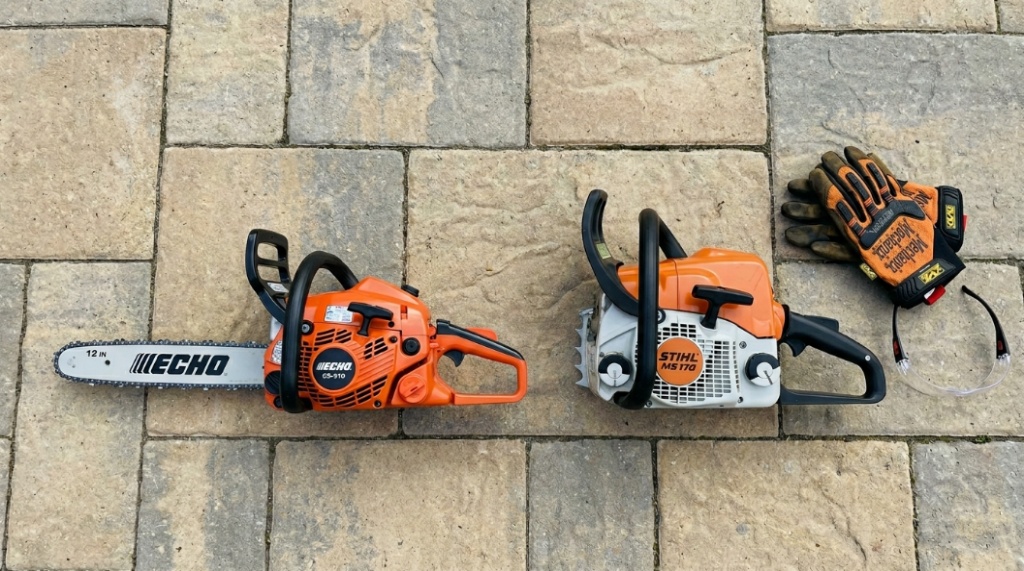
The most important chainsaw safety features include a chain brake, anti-vibration system, chain catcher, throttle lock, and low-kickback chain.
Modern chainsaws incorporate numerous safety improvements that significantly reduce risk.
Chain Brake
Stops chain movement quickly during kickback events.
Anti-Vibration Technology
Reduces hand and arm fatigue during prolonged operation.
Chain Catcher
Protects users if the chain breaks or derails.
Throttle Lockout
Prevents accidental acceleration.
Low-Kickback Chain
Minimizes dangerous reactive forces at the guide bar tip.
Safety equipment should always include:
- Protective helmet
- Safety glasses
- Hearing protection
- Cut-resistant gloves
- Chainsaw chaps
- Steel-toe boots
How Much Cutting Capacity Do Small Properties Typically Require?
Most small properties rarely require cutting wood larger than 12 to 16 inches in diameter.
Consider these common scenarios:
| Task | Typical Diameter | Recommended Bar Length |
|---|---|---|
| Pruning branches | 2–6 inches | 12–14 inches |
| Storm cleanup | 4–12 inches | 14–16 inches |
| Small tree removal | 8–14 inches | 16 inches |
| Firewood cutting | 8–16 inches | 16–18 inches |
These dimensions demonstrate why oversized chainsaws are often unnecessary for residential users.
Matching chainsaw size to actual cutting requirements improves efficiency while reducing cost and maintenance demands.
What Common Mistakes Do Homeowners Make When Choosing Chainsaw Size?
The biggest mistake is buying a larger chainsaw than necessary for the intended work.
Other frequent mistakes include:
- Ignoring overall weight
- Choosing excessive engine displacement
- Overlooking safety features
- Purchasing based solely on price
- Failing to consider maintenance requirements
- Neglecting proper protective equipment
Many homeowners believe larger saws deliver faster results. However, lighter equipment often allows greater control, cleaner cuts, and longer working sessions.
For residential property maintenance, balance is more valuable than maximum horsepower.
How Do You Choose the Right Residential Chainsaw for Your Needs?
Evaluate property size, tree density, cutting frequency, and typical wood diameter before selecting a chainsaw.
Ask yourself:
- How many trees are on the property?
- Do storms frequently create debris?
- Will you cut firewood regularly?
- What is the average branch diameter?
- How experienced are you with chainsaws?
For most homeowners, the ideal specification includes:
- 14–18 inch guide bar
- 35cc–45cc engine
- Anti-vibration system
- Chain brake
- Low-kickback chain
- Comfortable ergonomic design
This combination handles the vast majority of residential cutting tasks efficiently and safely.
Conclusion: What Is the Ideal Gas Chainsaw Size for a Small Property?
For nearly every homeowner, a 14- to 18-inch gas chainsaw with a 35cc to 45cc engine delivers the best balance of power, safety, versatility, and comfort.
Oversized chainsaws are rarely necessary for routine residential maintenance. Most backyard chainsaw tasks involve pruning trees, removing storm debris, trimming branches, and processing moderate firewood loads. A lightweight residential chainsaw provides better control, reduces fatigue, and handles these jobs effectively.
Property maintenance becomes easier when paired with smart planning and resource-efficient landscaping practices. These practical budget-friendly gardening techniques can help homeowners maintain attractive outdoor spaces while reducing long-term upkeep costs.
Before buying, assess your actual cutting needs rather than preparing for rare situations. Choosing the right size improves safety, productivity, and overall satisfaction. If your property consists mainly of standard landscaping trees and occasional cleanup work, a quality 16-inch gas chainsaw is likely the most practical investment you can make.
Frequently Asked Questions (FAQ)
What is the best chainsaw size for homeowners?
A 16-inch chainsaw is generally considered the best all-around size for homeowners because it balances cutting capacity, maneuverability, and ease of use for common residential tasks.
Can a 14-inch chainsaw cut a tree?
Yes. A 14-inch chainsaw can cut many small and medium-sized trees, especially those with trunk diameters below 12 inches. Proper cutting technique remains essential for safety.
Is an 18-inch chainsaw too large for a small yard?
No. An 18-inch chainsaw can work well on small properties, particularly if you regularly process firewood or remove larger branches. However, it may be heavier than necessary for routine pruning.
What engine size is good for residential chainsaw use?
Most homeowners benefit from engines between 35cc and 45cc. This range provides sufficient power for trimming, storm cleanup, and moderate wood cutting without excessive weight.
Should beginners use a gas chainsaw?
Beginners can safely use gas chainsaws if they select an appropriately sized model, follow manufacturer instructions, wear protective gear, and receive basic safety training.
How often should a chainsaw chain be sharpened?
The chain should be sharpened whenever cutting performance declines, fine sawdust replaces wood chips, or additional pressure becomes necessary during cutting.
What is the difference between a backyard chainsaw and a professional chainsaw?
A backyard chainsaw is designed for occasional residential tasks and prioritizes ease of use. Professional chainsaws feature larger engines, heavier-duty components, and higher cutting capacity for daily commercial work.
About Author

You may also like
-
State Fair of Virginia 2026: Tickets, Rides and Attractions
-
Arizona State Fair 2026: Dates, Tickets, Concerts and Everything to Know
-
How to Find Safe Arborist Rope Kits Under Budget
-
How to Pick Windproof Surf Ponchos for Cold Water Surfing
-
Iowa State Fair 2026: Dates, Concert Schedule, Ticket Guide and Fair Highlights