

Choosing the right Chardonnay can feel overwhelming for casual wine drinkers. This popular white wine comes in two distinct styles that offer completely different experiences. Understanding these differences helps you make better choices at the wine store. Many wine enthusiasts turn to resources like Beresan Wines for guidance on navigating these options.
The production method creates the main distinction between these two styles. Winemakers use different techniques that dramatically change the final product. However, both versions start with the same grape variety. Therefore, the difference lies entirely in how the wine is made and aged.
The key difference between oaked and unoaked chardonnay centers on whether the wine touches oak during production. This single factor influences everything from taste to texture. Additionally, it affects the wine’s color, aroma, and overall drinking experience.
What Makes Oaked Chardonnay Special
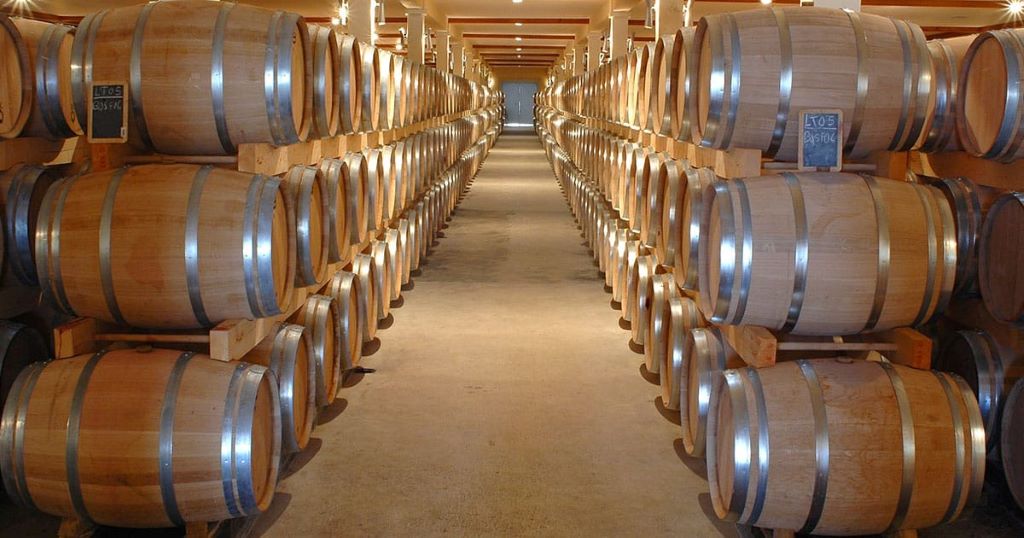
Oaked Chardonnay undergoes aging in oak barrels or has oak chips added during production. This process transforms the wine significantly. The oak imparts flavors that many people associate with premium Chardonnay.
Common flavors in oaked versions include vanilla, butter, and toast. Some wines also develop notes of caramel or coconut. Furthermore, the oak adds tannins that create a fuller mouthfeel. The wine often appears deeper in color compared to unoaked versions.
The aging process typically takes several months. During this time, the wine develops complexity and richness. However, the oak influence can sometimes overwhelm the natural grape flavors. Therefore, balance becomes crucial in quality oaked Chardonnays.
Understanding Unoaked Chardonnay
Unoaked Chardonnay never touches oak during production. Instead, winemakers use stainless steel tanks or neutral vessels. This approach preserves the pure grape flavors without additional influences.
These wines showcase the natural characteristics of Chardonnay grapes. You’ll taste crisp apple, pear, and citrus notes. Additionally, some versions display mineral qualities from the vineyard soil. The wines typically appear lighter in color and feel fresher on the palate.
Unoaked styles often cost less than their oaked counterparts. The production process requires less time and fewer resources. However, this doesn’t mean lower quality. Many excellent unoaked Chardonnays rival expensive oaked versions in complexity and enjoyment.
Flavor Profile Comparisons
The taste differences between these styles are dramatic. Oaked Chardonnays offer rich, creamy textures with warm spice notes. The oak contributes vanilla and butter flavors that many Americans prefer. These wines pair excellently with rich dishes like lobster or roasted chicken.
Unoaked versions provide bright acidity and fresh fruit flavors. They taste cleaner and more refreshing than oaked styles. These wines work wonderfully with lighter fare such as salads, seafood, or Asian cuisine. The crisp character makes them excellent for warm weather drinking.
According to Wine Spectator, both styles can produce exceptional wines when made skillfully. The choice often comes down to personal preference and food pairing considerations.
Food Pairing Guidelines
Oaked Chardonnays complement rich, creamy dishes perfectly. The wine’s weight matches heavier foods without being overwhelmed. Try pairing these wines with grilled salmon, chicken in cream sauce, or aged cheeses. The oak flavors enhance rather than compete with complex preparations.
Unoaked versions excel with lighter, fresher dishes. Their bright acidity cuts through rich foods while enhancing delicate flavors. These wines pair beautifully with oysters, sushi, goat cheese, or simple grilled fish. Additionally, they work well as aperitif wines before dinner.
Consider the cooking method when choosing your wine. Grilled or roasted dishes often pair better with oaked styles. Meanwhile, steamed, poached, or raw preparations complement unoaked versions more effectively.
Price and Value Considerations
Unoaked Chardonnays generally cost less than oaked versions. The simpler production process reduces expenses for winemakers. However, exceptional examples of both styles exist at various price points. Therefore, price alone doesn’t determine quality.
Entry-level oaked Chardonnays might use oak chips rather than expensive barrels. This technique reduces costs while still providing oak character. Premium versions undergo barrel aging that adds significant expense to production.
Many wine experts recommend trying both styles before developing preferences. Your taste preferences might surprise you. Additionally, different occasions might call for different styles of Chardonnay.
Regional Style Differences
Different wine regions produce distinct interpretations of both styles. California oaked Chardonnays tend toward rich, buttery profiles with prominent oak influence. These wines often appeal to American palates accustomed to bold flavors.
French Chablis represents the pinnacle of unoaked Chardonnay production. These wines emphasize minerality and pure fruit expression. However, some French regions like Burgundy produce both oaked and unoaked styles with varying degrees of oak influence.
Australian and New Zealand producers create excellent examples of both styles. Their wines often balance fruit intensity with subtle oak integration. Therefore, these regions offer great value options for casual wine drinkers.
Making Your Choice
Start by considering your general flavor preferences. Do you enjoy rich, creamy foods or prefer lighter, fresher options? Your food preferences often align with wine preferences. However, experimentation remains the best way to discover your personal taste.
Consider the occasion when selecting your wine. Casual weeknight dinners might call for crisp unoaked styles. Meanwhile, special occasions or rich meals might warrant splurging on premium oaked versions.
Don’t be afraid to ask for recommendations at wine shops. Many retailers offer tasting notes or staff suggestions. Additionally, many restaurants provide wine descriptions that help guide your decision-making process.
Frequently Asked Questions
Which style is better for beginners? Unoaked Chardonnay often appeals more to wine beginners due to its fresh, approachable character. The bright fruit flavors are easier to identify and appreciate. However, personal preference varies significantly among individuals.
Do oaked Chardonnays age better than unoaked versions? Oaked Chardonnays typically have better aging potential due to their structure and tannins. However, most Chardonnays are designed for consumption within a few years of release. Therefore, aging potential shouldn’t be the primary consideration for casual drinkers.
Are unoaked Chardonnays healthier than oaked versions? Both styles contain similar alcohol content and nutritional profiles. The oak doesn’t significantly impact the health aspects of the wine. However, unoaked versions might contain fewer sulfites in some cases.
Can you taste the difference in blind tastings? Yes, the differences between oaked and unoaked Chardonnays are typically obvious in blind tastings. The oak influence creates distinct flavors and textures that most people can identify with minimal training.
Which style costs more to produce? Oaked Chardonnays generally cost more to produce due to barrel expenses and longer aging requirements. This often translates to higher retail prices, though exceptions exist at all price levels.
Conclusion
Both oaked and unoaked Chardonnays offer unique pleasures for casual wine drinkers. Oaked versions provide rich, complex flavors that pair beautifully with substantial dishes. Meanwhile, unoaked styles offer fresh, clean expressions of pure Chardonnay character. The best approach involves trying both styles to discover your personal preferences. Consider the food pairing, occasion, and your mood when making selections. Remember that quality examples exist in both categories across various price points. Therefore, exploration and experimentation will lead to the most enjoyable wine experiences.
Read More:
12 original ideas to have an unforgettable drinks bar
About Author
