
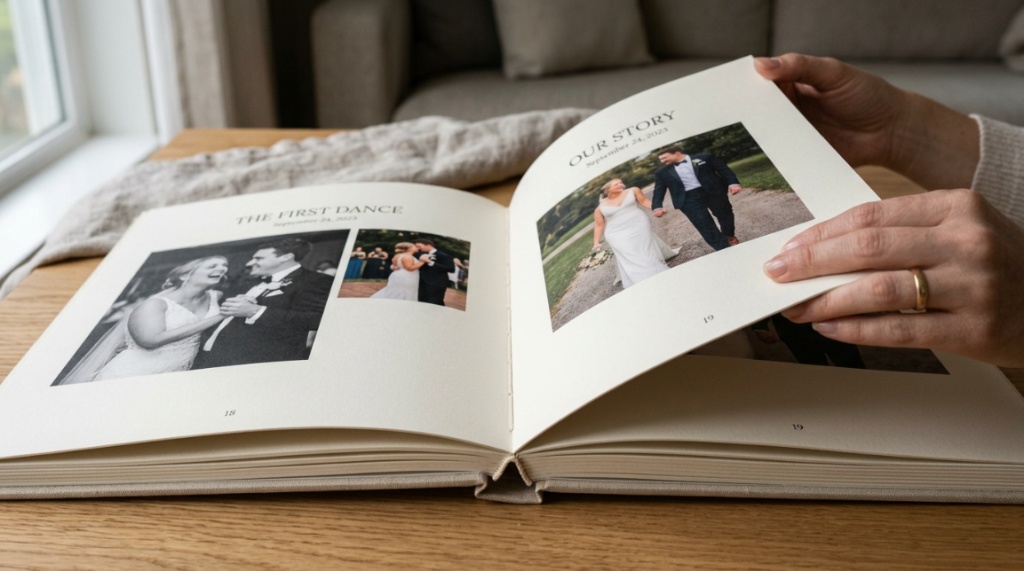
You’ve said “I do,” the confetti has settled, and your phone is overflowing with candid snapshots from the big day. Yet, somehow, those photos feel scattered and lifeless compared to the whirlwind of emotion you experienced. The problem is that digital files get lost in the cloud, and social media posts fade into the endless scroll. You need something tangible, something that tells the story of your love in a way a screen never could. That’s where a wedding memory book comes in—a curated keepsake designed to preserve the narrative of your wedding day. But with hundreds of options available, how do you choose the right one without feeling overwhelmed? This guide breaks down everything you need to know, from materials and layouts to budgeting and preservation, ensuring you select a book you’ll treasure for a lifetime.
What Is a Wedding Memory Book and Why Do You Need One?
A wedding memory book is a physical, professionally printed album that compiles your wedding photos, vows, and personal notes into a cohesive narrative. Unlike a standard photo dump, it is a carefully curated storytelling tool. You need one because it transforms fleeting digital moments into a permanent, tactile heirloom that you can pass down to future generations, allowing you to relive the emotion of the day every time you turn the page.
Memory Book vs. Traditional Photo Album
While a traditional photo album simply holds pictures in plastic sleeves, a memory book is a designed experience. It involves layering, text overlays, and a logical flow that mimics the timeline of your day. It often includes space for handwritten notes, pressed flowers, or fabric swatches, making it a multi-sensory keepsake rather than just a storage solution.
The Emotional Value of a Physical Keepsake
In our digital age, we rarely print photos, which diminishes their perceived value. A physical book forces you to slow down. The act of touching the pages and seeing the colors in print triggers a deeper emotional response than swiping a screen. It creates a “sacred space” in your home that honors your commitment.
Who Should Invest in a Professional Book?
If you are a couple who values sentimentality, has a large extended family, or simply wants to decorate your home with meaningful art, a professional book is worth it. It is also ideal for couples who want to ensure their legacy is documented accurately, without relying on unstable digital platforms.
What Are the Key Differences Between a Photo Book and a Scrapbook?
The main difference lies in methodology. A photo book is professionally printed with a polished, magazine-quality finish, while a scrapbook is a handmade collage of photos, ephemera, and embellishments. Photo books are uniform and durable; scrapbooks are rustic and customizable. Your choice depends on whether you value a sleek aesthetic or a hands-on, crafty process.
Planning your big-day celebration? You won’t regret a barn wedding for a rustic and unforgettable atmosphere.
Durability and Materials
Professional photo books use archival-grade paper and lay-flat bindings that resist wear and tear years after the wedding. Scrapbooks, depending on the adhesive and paper used, can be prone to fading and “sticker shock” (where plastic sleeves yellow over time). A memory book often bridges the gap by offering professional printing with custom text areas.
Time and Effort Required
Scrapbooking is a hobby that could take months to finish. A professional book requires you to select a template and upload photos, with the vendor handling the printing. If you have a busy schedule, the latter is obviously more practical, but you lose the physical “touch” of DIY.
Which One Preserves Photos Better?
For long-term preservation, printed photo books win. Acid-free papers and professional pigment inks prevent oxidation. Scrapbooks with regular school glue or PVC-based plastic can actually degrade your photos over time. If you want a 50-year shelf life, opt for a designed book over a DIY collage.
How to Choose the Right Size and Layout for Your Book?
Selecting the right size depends on where you plan to display the book and how many photos you want per spread. For most couples, a 12×12 inch square or a 10×8 landscape format offers the best balance between image size and manageability. For layout, look for “lay-flat” designs that allow you to place a single photo across the spine without breaking the image.
Standard Sizes: Small vs. Large
- 8×8 inches: Perfect for a small coffee table or a “highlight” reel of just 30-40 photos.
- 10×10 inches: The most popular choice, offering enough space for details without being bulky.
- 12×12 inches: Ideal for dramatic, full-page spreads of your ceremony or grand portraits.
Lay-Flat vs. Traditional Binding
Lay-flat binding is non-negotiable for a high-quality book. Traditional glued spines create a “gutter” shadow that distorts images. Lay-flat pages open completely flat, offering a seamless panoramic view—essential for wide shots of your wedding party.
Portrait, Landscape, or Square?
Square is modern and symmetrical. Landscape is ideal for scenic venues and ceremony shots. Portrait orientation is best for vertical shots of the dress, the cake, and the bouquet. Look at your photographer’s gallery and count the horizontal vs. vertical shots before deciding.
Which Photo Format Is Better: Matted, Flush, or Layered?
Flush-mount is the gold standard for wedding memory books because the images are printed directly onto thick card stock, creating a seamless, high-end look. Matted books have a border around the photo, giving a classic, framed feel. Layered books mix printed pages with tucked-in photos and memorabilia, offering a 3D experience.
Understanding Flush-Mount Design
In a flush-mount book, your photo paper is mounted onto a rigid board. There are no white borders or gaps between the photos and the edge of the page. This gives a modern, “gallery wall” aesthetic and is highly durable.
Pros and Cons of Matte Finish
A matte finish reduces glare, making it easier to view in bright rooms and works well for black-and-white photography. However, it can make colors appear less vibrant than a glossy finish. Choose matte if your photos have a fine-art, editorial style.
Classic Photo Sleeves vs. Modern Lay-Flat
Photo sleeves are cheap and simple, but they add a reflective plastic layer that distorts perception. Modern lay-flat books are printed directly on the page, eliminating that barrier. The latter feels more luxurious and is better at capturing skin tones accurately.
Why Should You Design Your Book Around a Narrative Timeline?
Instead of grouping photos by subject (e.g., “all the dresses”), organize your book chronologically. Start with the getting-ready chaos, move to the ceremony, then the portraits, and finish with the reception. This storytelling structure allows you to relive the day as it happened, building emotional momentum as you turn the pages.
Starting with the “Getting Ready” Moments
Begin with the quiet moments: the dress hanging, the cufflinks on the table, the toast with your bridesmaids. These images set the scene and build anticipation. They make the book feel like a documentary rather than a catalog.
Transitioning from Ceremony to Reception
Use the “golden hour” portraits as the climax of the book. Then, transition to the reception with a wide shot of the venue or the table settings. This visual “deep breath” helps the viewer transition from the intimate ceremony to the party atmosphere.
Ending with a Memorable Grand Finale
Avoid ending the book with a blurry dance floor shot. Instead, end with a meaningful close-up—like your hands holding each other or the sparkler exit. This provides a sense of closure and leaves a lasting impression on anyone who views the book.
How Much Should You Spend on a High-Quality Wedding Memory Book?
You should expect to spend between $200 and $600 for a premium, custom-designed wedding memory book. This price reflects archival materials, lay-flat binding, and professional design assistance. While this seems steep, it is a fraction of the cost of a wedding ceremony and lasts forever.
What Drives the Cost?
- Page Count: Books with 30+ pages cost more than standard 20-page books.
- Cover Material: Leather, linen, or metal covers significantly increase the price.
- Design Service: Having a professional designer lay out your pages is the biggest cost driver.
Why You Should Not Buy the Cheapest Option
Inexpensive books often use “perfect binding” (a glued spine) which cracks and falls apart. The ink is also likely to fade quickly. You might save $100 now, but the book will likely be discolored and falling apart by your 5th anniversary.
Hidden Costs to Watch For
Watch out for shipping fees, especially for heavy, thick books. Additionally, many print shops charge extra for “custom text” or “page additions” beyond the base package. Always ask for a full quote including taxes before you upload your photos.
How to Select the Best Cover Material and Color?
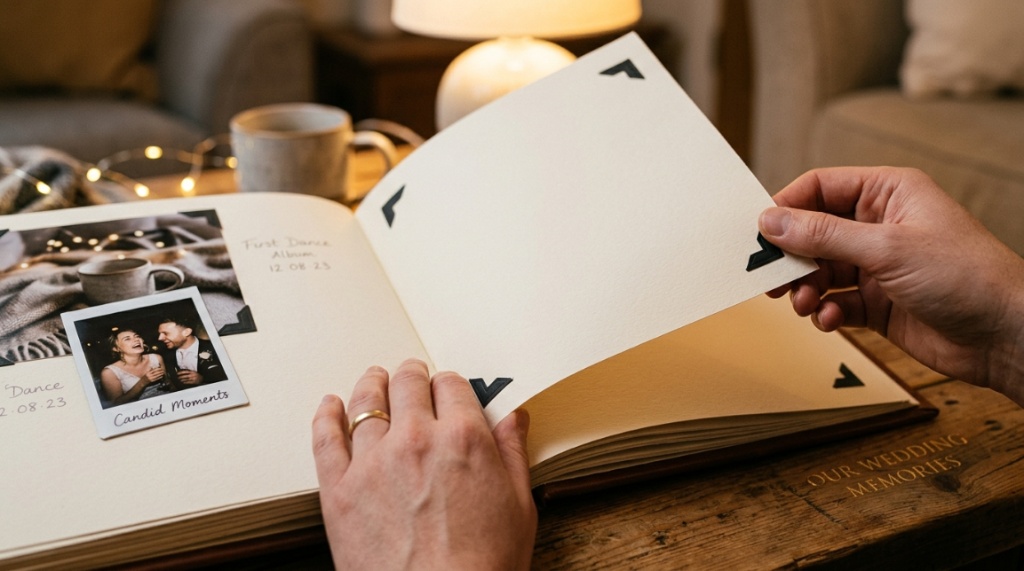
The cover is the first thing you and your guests will touch, so it should reflect your wedding theme. Choose between linen, leather, or a printed photo wrap. For a classic look, opt for neutral tones like ivory, gray, or navy; for a modern look, consider a matte pastel or a bold metallic accent.
Leather vs. Linen vs. Photo Wrap
Leather offers a timeless, durable finish that ages beautifully. Linen is lightweight and offers a textured, organic feel, but it can stain easily. A photo wrap uses a printed image on the cover itself, which is the best way to capture attention quickly.
Matching the Cover to Your Wedding Theme
If you had a rustic barn wedding, a burlap or linen cover fits the vibe. If you had a glitzy ballroom event, a metallic leather like copper or silver will echo the decor. The cover should feel like an extension of your wedding invitation suite.
Adding Personalization: Foil Stamping and Monograms
Adding your initials or wedding date in gold or silver foil is a simple upgrade that adds a layer of personalization. It elevates the book from a simple photo product to a high-end archival piece.
Can You Design a Professional Memory Book on Your Own?
Yes, you can design a professional-looking book on your own using software like Adobe InDesign, or even simpler tools like Canva and PowerPoint. The key to success is using high-resolution images (300 DPI) and adding white space to prevent the pages from looking cluttered.
Recommended Software for DIY Design
Canva is the most user-friendly option for beginners, offering wedding-specific templates. Mixbook and Shutterfly have built-in editors that lock the layout, but the most advanced control comes from using a desktop app like InDesign or Photos.
Common DIY Mistakes to Avoid
- Too many photos per page: Stick to 1-3 images per spread to maintain a clean look.
- Using Low-Resolution Photos: If a photo is blurry on your phone, it will be pixelated in print.
- Ignoring the Spine: Always account for the “gutter” in the middle; do not place important faces right at the fold.
When to Hire a Professional Designer?
If you feel overwhelmed by the “blank canvas” or if you have over 500 photos to sort through, hire a professional. They have an eye for visual flow and can often tell a better story with your photos than you can, as they are not emotionally attached to every single image.
What Should You Include Inside the Book Besides Photos?
A great memory book goes beyond photos. You should include your wedding vows, a note to your future selves, the menu from the dinner, and even a few dried flowers pressed between the pages. These elements provide context and texture that photos alone cannot convey.
Including Written Anecdotes and Vows
Add a small caption summarizing the story of the image. Instead of “Getting Ready,” write “The calm before the storm—I almost forgot my shoes.” This humanizes the book and makes it unique to your specific relationship.
Using Memorabilia: Fabric and Dried Flowers
You can cut a small piece of your wedding dress fabric and place it in a pocket in the back of the book. Spray-pressed flowers from the bouquet can be placed in a clear sleeve. These textures make the book a tactile archive.
Guests’ Well-Wishes and Signatures
Include a page at the end where guests can write advice or well-wishes. Alternatively, if you used an engagement guest book, take a photo of that page and include it in your wedding book to blend the two events together.
How Long Does It Take to Produce a Custom Wedding Book?
Typically, production takes 2 to 4 weeks plus shipping time. However, if you are designing the book yourself and going through multiple revisions, you should start the process at least 6 months before you want the book in hand. This ensures you have time to review proofs without rushing.
Production Timelines from Top Vendors
Luxury vendors like Zno or Artifact Uprising offer 5-7 day express printing for an added fee. However, large albums printed to order from boutique printers can take up to 8 weeks. Always check for “Rush” options if you have a tight deadline like an anniversary.
Why Design Proofs Take Time
If you hire a designer, they will send you a digital proof. It is standard practice to request 2-3 rounds of revisions. Each round can take 3-5 days. Factor this into your timeline as you will likely want to change colors or swap a photo here and there.
Planning for the Anniversary Delivery
If you want to gift the book to your spouse for your first anniversary, start the design process 3 months in advance. This gives you a buffer for mail delays and design fatigue, ensuring you don’t have to “rush” the creative process.
Best Ways to Preserve Your Memory Book for Future Decades
To preserve your book, store it away from direct sunlight and keep it in a climate-controlled room with moderate humidity. Handle it with dry hands, and avoid stacking heavy objects on top of it. These simple steps will keep the pages from yellowing and the binding intact.
Correct Storage Conditions
Keep the book on a flat surface, not standing upright on its spine (which can cause the pages to sag). The ideal temperature is between 60-75°F with 50% humidity. Avoid attics or basements where temperature fluctuates dramatically.
Cleaning and Handling Practices
Do not use any cleaning chemicals on the pages. If you need to wipe dust off the cover, use a dry, microfiber cloth. Always handle the book by the edges of the cover and turn pages from the corner to avoid leaving fingerprints on the images.
Protecting Against Sun and Moisture
UV rays are the number one killer of pigments. Do not display the book on a shelf facing a window. If you must display it, purchase a display case with UV-protective glass, or simply keep it closed on the coffee table.
Where to Buy a Wedding Memory Book in 2026?
In 2026, the market is dominated by online-first brands that offer design software and premium materials. While you can find products at local boutiques, the best selection is online. If you’re looking for recommendations, you need to verify the print quality and binding construction before purchasing.
Online vs. Local Print Shops
Online shops offer convenience and a wider range of customization. Local print shops allow you to see and feel the paper and leather in advance, which is a huge advantage. However, local shops often have limited template design software, pushing you toward a more basic product.
Top Features to Look For in a Vendor
- Archival Inks: Ensure the printer uses “giclée” or pigment-based inks.
- Replacement Policy: Check if they will reprint the book if it arrives damaged.
- Custom Text: Ensure you can truly personalize the text, not just the front cover.
For a curated guide to the best local and national providers, you can explore this comprehensive wedding memory book resource, which highlights top-rated vendors based on quality and service.
Vendor Comparison Table: Top Contenders
| Vendor | Binding Style | Cover Options | Best For |
|---|---|---|---|
| Artifact Uprising | Lay-Flat | Linen, Leather | Fine-art, minimalistic couples |
| Mixbook | Lay-Flat | Photo Wrap, Metal | Easy DIY software |
| Zno | Flush-Mount | Leather, Suede | Professional photographers |
| Shutterfly | Standard | Photo Wrap | Budget-friendly options |
Frequently Asked Questions
What is the difference between a photo book and a wedding memory book?
A photo book simply prints photos in a sequence. A wedding memory book is a curated story that includes text, mementos, and a deliberate narrative timeline, focusing on preserving the emotion and details of the day, not just the images.
How many pages should a wedding memory book have?
Most couples choose between 20 and 40 pages. A 20-page book holds about 60-80 photos, while a 40-page book can hold over 150 images. The right number depends on how many photos you have from your photographer without repeating similar shots.
Why are wedding memory books so expensive?
The cost is driven by the materials (archival paper), the binding process (lay-flat, which requires specialized machinery), and the design labor. A premium book requires high-quality equipment to produce the “coffee table” look and feel that lasts for decades.
Can I make a wedding memory book myself instead of hiring a pro?
Yes, you can use software like Canva or Mixbook to make a book. The process is doable, but you must organize your photos carefully and stick to a strict template to avoid a cluttered design. It takes roughly 10 hours of work but can save you $100-$200.
When is the best time to order a wedding memory book?
Order as soon as you receive your final gallery from the photographer, ideally within 3-4 months of the wedding. This ensures the memories are fresh and you are still inspired by the event, reducing the likelihood of procrastination.
Should I include my engagement photos in the wedding book?
It is not recommended unless you have very few wedding photos. Include a single “prologue” page with one or two engagement shots to set the stage, but focus the body of the book on the wedding day itself to maintain narrative clarity.
Is a digital book just as good as a printed one?
No. A digital book cannot replicate the 3D textures, the lay-flat page size, and the sensory experience of a printed book. Furthermore, digital files are at risk of being lost to hard drive failures or dead cloud accounts, whereas a physical book will last centuries.
Conclusion
Finding the perfect wedding memory book boils down to understanding the difference between a simple photo dump and a curated narrative. Remember to prioritize lay-flat binding, archival materials, and a chronological story flow. Decide early on whether you have the time to design the layout yourself or the budget to hire a professional. Regardless of the path you choose, the goal is the same: to create a relic of your love that survives the test of time, far beyond the life of your social media feed. Start your project today—your future selves will thank you when you’re flipping through these pages on your 50th anniversary.
About Author
