

The world of sustainable stationery has blossomed into an exciting frontier where creativity meets environmental consciousness. Plantable pencils and seed pens represent revolutionary writing instruments that transform from everyday tools into thriving plants after use. These innovative products capture the imagination of eco-conscious consumers while offering practical solutions to waste reduction. Mech Office recognizes this growing trend and provides comprehensive insights into sustainable office solutions that benefit both businesses and the environment.
Entrepreneurs worldwide are discovering the immense potential of eco-friendly stationery as viable business opportunities. The market demand for sustainable alternatives continues growing as consumers become more environmentally aware. Additionally, businesses seek ways to demonstrate corporate responsibility while reducing their ecological footprint through thoughtful product choices.
Many forward-thinking entrepreneurs understand why i choose eco friendly stationary as a business idea and recognize the significant market opportunities in this rapidly expanding sector. Therefore, plantable stationery represents more than just novelty items; they embody a fundamental shift toward sustainable business practices and consumer behavior.
Understanding Plantable Stationery Technology
The Science Behind Seed-Embedded Writing Tools
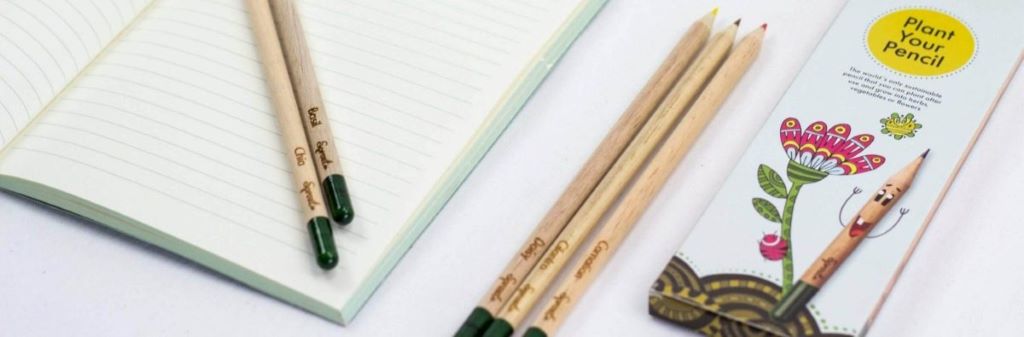
Plantable pencils contain seeds embedded in biodegradable materials that replace traditional erasers or caps. These seeds remain dormant until planted in soil and provided with adequate moisture and sunlight. The pencil body typically consists of recycled paper, wood, or other compostable materials that decompose safely in soil.
Seed pens utilize similar technology but face additional engineering challenges due to ink systems and refillable mechanisms. However, innovative manufacturers have developed biodegradable pen bodies with replaceable ink cartridges that maintain writing quality while supporting sustainability goals. Additionally, some designs feature detachable seed capsules that separate from reusable pen mechanisms.
The seed selection process requires careful consideration of germination rates, climate adaptability, and growing requirements. Popular choices include herbs like basil and cilantro, flowers such as sunflowers and marigolds, and vegetables like tomatoes and peppers. Therefore, successful plantable stationery balances practicality with agricultural viability.
Manufacturing Process and Quality Control
Creating plantable stationery requires specialized manufacturing techniques that preserve seed viability while maintaining writing functionality. Seeds must be protected from moisture during production and storage to prevent premature germination. Additionally, temperature control throughout the manufacturing process ensures optimal seed preservation.
Quality control testing involves both writing performance evaluation and germination rate verification. Manufacturers typically test seed viability across multiple growing conditions to ensure consistent customer experiences. However, natural variations in seed quality mean that germination rates rarely reach 100 percent, requiring clear consumer communication about realistic expectations.
Packaging design plays crucial roles in maintaining seed viability during distribution and retail storage. Moisture barriers, temperature control, and proper labeling ensure products reach consumers in optimal condition. Therefore, successful plantable stationery companies invest significantly in packaging innovation and supply chain management.
Market Analysis and Business Opportunities
Growing Consumer Demand for Sustainable Products
Environmental consciousness has become a significant purchasing factor for modern consumers across all demographics. Millennials and Gen Z consumers particularly prioritize sustainability when making buying decisions. Additionally, corporate buyers increasingly seek eco-friendly alternatives to demonstrate environmental responsibility and appeal to environmentally conscious employees.
Market research indicates steady growth in the global eco-friendly stationery market, with plantable products representing one of the fastest-growing segments. This growth is driven by increased environmental awareness, corporate sustainability initiatives, and consumer desire for unique, meaningful products. However, market penetration remains relatively low, indicating substantial growth opportunities.
Educational institutions, corporate offices, and promotional product companies represent the largest market segments for plantable stationery. These buyers often make bulk purchases and value the dual functionality of useful tools that become environmental benefits. Therefore, targeting these segments provides the most efficient path to market entry and growth.
Competitive Landscape and Differentiation Strategies
The plantable stationery market includes both established manufacturers and innovative startups, creating diverse competitive dynamics. Large stationery companies increasingly add eco-friendly lines to existing product portfolios. However, specialized sustainable companies often lead innovation and capture early market opportunities.
Differentiation strategies include seed variety selection, unique designs, customization options, and educational components. Some companies focus on local seed varieties that support regional ecosystems. Additionally, others emphasize artistic designs or corporate branding opportunities that appeal to specific market segments.
Pricing strategies vary significantly based on target markets and production scales. Premium pricing reflects higher production costs and perceived value of sustainability benefits. However, competitive pricing becomes increasingly important as market awareness grows and alternatives multiply. Therefore, successful companies balance sustainability benefits with economic accessibility.
Types of Plantable Stationery Products
Pencil Varieties and Seed Options
Traditional plantable pencils feature seed capsules at the top end where erasers typically appear. These designs maintain familiar pencil functionality while adding the sprouting feature. Popular seed options include herbs that provide practical value to consumers after germination.
Colored pencils with plantable features offer additional creative possibilities for artists and students. Each pencil color can contain different seed varieties, creating rainbow garden possibilities. Additionally, some manufacturers offer themed sets like “pizza garden” pencils containing tomato, basil, and oregano seeds.
Mechanical pencil adaptations present unique engineering challenges but offer reusable benefits that appeal to environmentally conscious consumers. These designs typically feature replaceable seed pods that separate from reusable pencil mechanisms. However, the complexity of these systems often results in higher retail prices and manufacturing costs.
Innovative Pen Designs
Ballpoint pens with plantable features require careful engineering to balance writing performance with seed integration. Most designs place seeds in detachable end caps or barrel extensions that don’t interfere with ink flow. Additionally, some manufacturers offer refillable ink systems that extend product life beyond single-use models.
Gel pens and markers present additional technical challenges due to different ink systems and storage requirements. However, innovative solutions include biodegradable pen bodies with standard ink refills and separate seed compartments. Therefore, consumers can continue using familiar writing tools while gaining environmental benefits.
Fountain pens represent the premium segment of plantable stationery, appealing to collectors and writing enthusiasts. These designs often feature high-quality materials and sophisticated seed integration systems. Additionally, the refillable nature of fountain pens aligns well with sustainability principles and justifies premium pricing.
Specialty Items and Gift Sets
Plantable stationery gift sets combine multiple items with coordinated seed varieties and planting instructions. These sets often target gift-giving occasions and corporate promotional needs. Popular combinations include pencil sets with matching notebooks made from seed paper or plantable bookmarks.
Customized corporate gifts represent significant business opportunities for plantable stationery manufacturers. Companies often order branded items with specific seed varieties that reflect corporate values or regional preferences. Additionally, these orders typically involve larger quantities and higher margins than retail sales.
Seasonal and themed collections create ongoing marketing opportunities and encourage repeat purchases. Holiday-themed sets, back-to-school collections, and gardening season promotions help maintain consumer interest throughout the year. Therefore, successful companies develop comprehensive product calendars that maximize sales opportunities.
Starting Your Plantable Stationery Business
Research and Development Considerations
Successful plantable stationery development requires extensive research into seed varieties, materials science, and manufacturing processes. Seed selection involves testing germination rates, growth requirements, and consumer appeal across different varieties. Additionally, material choices must balance writing performance, environmental impact, and production costs.
Prototype development and testing phases typically require several months to refine designs and ensure consistent performance. Testing should include writing quality assessment, seed viability verification, and consumer usability studies. However, rushing this phase often results in product failures and customer dissatisfaction.
Intellectual property protection becomes important as unique designs and manufacturing processes develop. Patent research ensures freedom to operate while identifying opportunities for proprietary innovations. Therefore, consulting with intellectual property attorneys early in development helps protect investments and competitive advantages.
Manufacturing and Supply Chain Setup
Manufacturing plantable stationery requires specialized equipment and processes not found in traditional stationery production. Seed handling systems, moisture control, and quality testing equipment represent significant capital investments. Additionally, maintaining seed viability throughout production requires careful environmental controls.
Supply chain management involves coordinating seed suppliers, packaging materials, and distribution networks. Seed suppliers must provide consistent quality and reliable delivery schedules. However, natural variations in seed harvests can create supply challenges that require careful planning and backup sourcing.
Quality control systems must address both writing performance and seed viability standards. Testing protocols should include accelerated aging tests, germination rate verification, and writing quality assessments. Therefore, comprehensive quality systems ensure consistent customer experiences and brand reputation protection.
Marketing and Brand Development
Brand positioning for plantable stationery should emphasize both functionality and environmental benefits. Successful brands create emotional connections with consumers through storytelling about environmental impact and personal growth metaphors. Additionally, visual branding should reflect natural themes while maintaining professional appeal.
Digital marketing strategies prove particularly effective for plantable stationery due to social media shareability and visual appeal. Instagram and Pinterest provide excellent platforms for showcasing products and customer success stories. However, educational content about planting and growing helps build customer engagement and brand loyalty.
Partnership opportunities with environmental organizations, schools, and corporate sustainability programs provide credible endorsements and market access. These relationships often lead to bulk sales opportunities and media coverage that builds brand awareness. Therefore, strategic partnerships accelerate market penetration and establish industry credibility.
According to research published by the Harvard Business Review, sustainable business practices increasingly drive consumer purchasing decisions and create competitive advantages for companies that successfully integrate environmental benefits with product functionality.
Production Challenges and Solutions
Seed Viability Preservation
Maintaining seed viability throughout production, storage, and distribution represents the primary technical challenge in plantable stationery manufacturing. Seeds require specific moisture levels, temperature ranges, and storage conditions to remain viable for extended periods. Additionally, production processes must avoid exposing seeds to conditions that reduce germination rates.
Packaging solutions include moisture barrier films, desiccant packets, and temperature-controlled storage requirements. These measures increase production costs but ensure customer satisfaction and brand reputation. However, over-protective packaging can conflict with sustainability goals and require careful balance.
Testing protocols should include regular seed viability assessments throughout production batches and storage periods. Accelerated aging tests help predict shelf life and storage requirements. Therefore, comprehensive testing ensures consistent product performance and helps establish appropriate expiration dates.
Writing Performance Standards
Balancing writing quality with sustainable materials and seed integration requires careful engineering and material selection. Traditional writing instruments rely on materials and designs that may conflict with biodegradability requirements. Additionally, seed integration can affect weight distribution and ergonomics.
Testing standards should match or exceed conventional stationery performance benchmarks while maintaining sustainable material requirements. Consumer expectations for writing quality remain high regardless of environmental benefits. However, some consumers accept minor performance compromises for significant environmental advantages.
Continuous improvement processes should incorporate customer feedback and competitive analysis to refine designs and performance. Regular performance testing ensures products maintain quality standards throughout product lifecycles. Therefore, ongoing development efforts help maintain competitive positions and customer satisfaction.
Environmental Impact and Benefits
Waste Reduction and Circular Economy Principles
Plantable stationery exemplifies circular economy principles by transforming waste products into beneficial outcomes. Used pencils and pens typically end up in landfills where they contribute to environmental problems. However, plantable alternatives become productive garden plants that provide ongoing environmental benefits.
Carbon footprint analysis shows favorable comparisons between plantable stationery and traditional alternatives when accounting for end-of-life benefits. Growing plants sequester carbon dioxide while traditional stationery disposal releases greenhouse gases. Additionally, reduced manufacturing of replacement products further improves environmental impact calculations.
Educational value extends environmental benefits beyond direct product use by raising awareness about sustainability principles and encouraging environmentally conscious behaviors. Customers often report increased interest in gardening and environmental issues after using plantable stationery. Therefore, these products serve as catalysts for broader environmental awareness and action.
Biodiversity and Ecosystem Support
Seed variety selection can support local ecosystems and biodiversity conservation when manufacturers choose native plant species appropriate for specific geographic markets. These selections help preserve regional plant varieties while providing practical value to consumers. Additionally, pollinator-friendly flowers support declining bee populations and other beneficial insects.
Corporate customers increasingly value biodiversity benefits when making purchasing decisions for promotional products and office supplies. Companies seeking to demonstrate environmental leadership often prefer products that provide measurable ecosystem benefits. However, clear communication about environmental impacts helps customers make informed decisions.
Partnerships with conservation organizations provide credibility and expertise for seed selection and environmental impact assessment. These relationships often lead to co-marketing opportunities and grant funding possibilities. Therefore, conservation partnerships enhance both environmental benefits and business development opportunities.
Financial Planning and Investment Requirements
Startup Costs and Capital Requirements
Initial capital requirements for plantable stationery businesses vary significantly based on production scale and market positioning. Small-scale operations focusing on handmade or artisanal products require lower initial investments but face higher per-unit production costs. Additionally, larger-scale operations require significant equipment investments but achieve better economies of scale.
Research and development costs often exceed initial projections due to the technical complexity of balancing writing performance with seed integration. Prototype development, testing, and regulatory compliance can require substantial investments before generating revenue. However, thorough development work reduces long-term customer service costs and product failure risks.
Working capital requirements include inventory investments, raw materials, and seed procurement. Seed purchasing often requires seasonal planning and advance payments to ensure adequate supplies. Therefore, cash flow planning must account for seasonal variations and inventory carrying costs.
Revenue Models and Pricing Strategies
Pricing strategies for plantable stationery must reflect higher production costs while remaining competitive with premium conventional alternatives. Value-based pricing emphasizes environmental benefits and unique features rather than competing solely on cost. Additionally, bulk sales to corporate customers often provide better margins than retail sales.
Subscription box models and repeat purchase programs help build customer loyalty and predictable revenue streams. Corporate customers particularly value simplified purchasing processes and consistent product availability. However, subscription models require careful inventory management and customer service capabilities.
Licensing opportunities with established stationery brands provide alternative revenue models that reduce manufacturing investments while leveraging existing distribution networks. These arrangements typically involve lower per-unit profits but reduced business risks and faster market penetration. Therefore, licensing strategies can accelerate growth while minimizing capital requirements.
According to the Wall Street Journal, the global sustainable products market continues growing at double-digit rates, with stationery representing one of the fastest-expanding segments as consumers increasingly prioritize environmental considerations in purchasing decisions.
Distribution Channels and Market Entry
Retail Partnerships and Online Sales
Establishing retail partnerships requires demonstrating product quality, consumer demand, and adequate profit margins for retail partners. Specialty office supply stores and eco-friendly retailers often provide the most receptive initial markets. Additionally, educational supply companies represent significant opportunities for bulk sales and institutional partnerships.
Online sales platforms provide global market access with lower initial investment requirements than traditional retail distribution. E-commerce allows direct customer communication and education about product benefits and planting instructions. However, shipping costs and packaging requirements can impact profitability and environmental goals.
Trade show participation helps build industry relationships and demonstrate products to potential retail partners and corporate customers. Industry events like stationery trade shows and environmental conferences provide targeted networking opportunities. Therefore, trade show investments often generate significant long-term business development benefits.
Corporate and Institutional Sales
Corporate sales represent high-value opportunities with larger order quantities and better profit margins than retail sales. Companies seeking unique promotional products or employee gifts often pay premium prices for customized plantable stationery. Additionally, corporate sustainability initiatives create ongoing demand for environmentally beneficial alternatives.
Educational institutions provide stable, recurring revenue opportunities through annual purchasing cycles and budget planning processes. Schools often integrate plantable stationery into science curricula and environmental education programs. However, educational sales typically require longer sales cycles and competitive bidding processes.
Government contracts and institutional sales require compliance with specific procurement requirements and quality standards. These opportunities often provide significant volume but may require certifications and administrative capabilities. Therefore, institutional sales strategies require careful planning and resource allocation.
Customer Education and Support
Planting Instructions and Success Rates
Clear, comprehensive planting instructions significantly impact customer satisfaction and repeat purchases. Instructions should include soil requirements, planting depth, watering schedules, and expected germination timeframes. Additionally, troubleshooting guides help customers address common growing problems and achieve successful results.
Video content and online resources provide engaging educational opportunities that build customer relationships and brand loyalty. Time-lapse growing videos and customer success stories create shareable content for social media marketing. However, educational content requires ongoing maintenance and updates to remain current and valuable.
Customer support systems should include gardening expertise and product knowledge to address technical questions and growing problems. Many customers lack gardening experience and require guidance beyond basic planting instructions. Therefore, knowledgeable customer service capabilities differentiate successful companies from competitors.
Building Community and Engagement
Social media communities provide platforms for customers to share growing experiences and create user-generated content. Photo contests and growing challenges encourage participation while generating marketing content. Additionally, community building efforts create emotional connections with brands that encourage repeat purchases.
Partnership with gardening organizations and educational institutions provides credible expertise and expanded customer reach. These relationships often lead to co-marketing opportunities and content collaboration that benefits both parties. However, partnerships require ongoing relationship management and mutual value creation.
Customer feedback systems help identify product improvements and market opportunities while building customer relationships. Regular surveys and product reviews provide valuable insights for development and marketing efforts. Therefore, systematic feedback collection contributes to both product development and customer satisfaction.
Future Trends and Innovations
Technology Integration and Smart Features
Emerging technologies like QR codes and augmented reality provide opportunities to enhance customer experiences and provide additional value. QR codes can link to planting instructions, growing tips, and community platforms. Additionally, AR applications could provide virtual gardening assistance and progress tracking capabilities.
Smart packaging innovations might include moisture indicators, germination timers, and environmental sensors that help optimize growing conditions. These features would differentiate premium products while providing genuine value to customers. However, technology integration must balance functionality with sustainability goals and cost considerations.
Internet of Things integration could connect plantable stationery to home gardening systems and environmental monitoring networks. These connections might provide personalized growing recommendations and community data sharing. Therefore, technology integration represents significant opportunities for product differentiation and customer engagement.
Market Expansion and Diversification
International market expansion provides growth opportunities as environmental awareness spreads globally. Different regions may prefer specific seed varieties and designs that reflect local preferences and growing conditions. Additionally, regulatory requirements vary by country and require careful research and compliance efforts.
Product line extensions might include plantable office supplies, promotional products, and educational materials. These expansions leverage existing manufacturing capabilities while serving related market segments. However, diversification efforts require careful market research and resource allocation to ensure success.
Vertical integration opportunities include seed production, packaging manufacturing, and retail operations that provide greater control over quality and costs. These strategies require significant capital investments but can improve margins and customer experiences. Therefore, vertical integration decisions should align with long-term strategic goals and market opportunities.
Conclusion
Plantable pencils and seed pens represent innovative solutions that address growing environmental concerns while providing practical functionality for everyday use. The market opportunities for eco-friendly stationery continue expanding as consumer awareness increases and corporate sustainability initiatives drive demand. Additionally, the unique combination of utility and environmental benefit creates compelling value propositions that differentiate these products from conventional alternatives.
Successful plantable stationery businesses require careful attention to product development, quality control, and customer education to ensure positive experiences and brand loyalty. The technical challenges of maintaining seed viability while delivering writing performance demand specialized expertise and comprehensive testing protocols. However, companies that master these requirements can build sustainable competitive advantages in rapidly growing markets.
Key success factors include thorough research and development, strategic partnerships, comprehensive quality systems, and effective customer education programs. The combination of environmental benefits, unique functionality, and emotional appeal creates multiple opportunities for market differentiation and customer engagement. Therefore, plantable stationery represents an attractive business opportunity for entrepreneurs committed to sustainability and innovation.
Frequently Asked Questions
How long do seeds in plantable stationery remain viable? Seed viability typically lasts 12-24 months when stored in proper conditions with moisture protection and temperature control. However, germination rates may decline over time, so using products within one year provides the best results. Additionally, storage conditions significantly affect seed longevity and performance.
What types of plants grow best from plantable stationery seeds? Herbs like basil, cilantro, and thyme provide practical value and grow reliably in most conditions. Flowers such as sunflowers and marigolds offer visual appeal and attract pollinators. However, local climate conditions and soil quality affect success rates for all plant varieties.
Are plantable pencils and pens as effective as traditional writing instruments? Quality plantable stationery matches conventional writing performance when properly designed and manufactured. Seed integration typically doesn’t affect writing quality if engineering and materials are appropriate. Therefore, consumers shouldn’t expect performance compromises for environmental benefits.
How much initial investment is needed to start a plantable stationery business? Startup costs range from $10,000-$50,000 for small-scale operations to $500,000+ for larger manufacturing operations. Research and development, equipment, inventory, and marketing represent the primary cost categories. However, starting small and scaling gradually reduces initial risk and capital requirements.
What are the main challenges in manufacturing plantable stationery? Maintaining seed viability throughout production and storage presents the primary technical challenge. Balancing writing performance with sustainable materials requires specialized engineering expertise. Additionally, quality control systems must address both writing functionality and agricultural performance standards.
Read More:
Knitting Magic Loop Technique – Everything You Need to Know
About Author

You may also like
-
What are the world’s favourite ice cream flavours?
-
Ingenuity Soothe ‘n Delight Baby Swing Review: Is It Worth It for Modern Parents?
-
Best Hotel Pillows for a 5-Star Sleeping Experience
-
Kings Canyon National Park Remote Golden Trout Fishing
-
Does Linen Stretch? Your Complete Guide to Linen Fabric Properties